
KAZ_LAB
ŚWIATŁO NIEOBECNOŚCI
KRAKÓW 2025
ŚWIATŁO NIEOBECNOŚCI
KRAKÓW 2025
1st Prize — KAZ_LAB 2025
International Video Mapping Competition
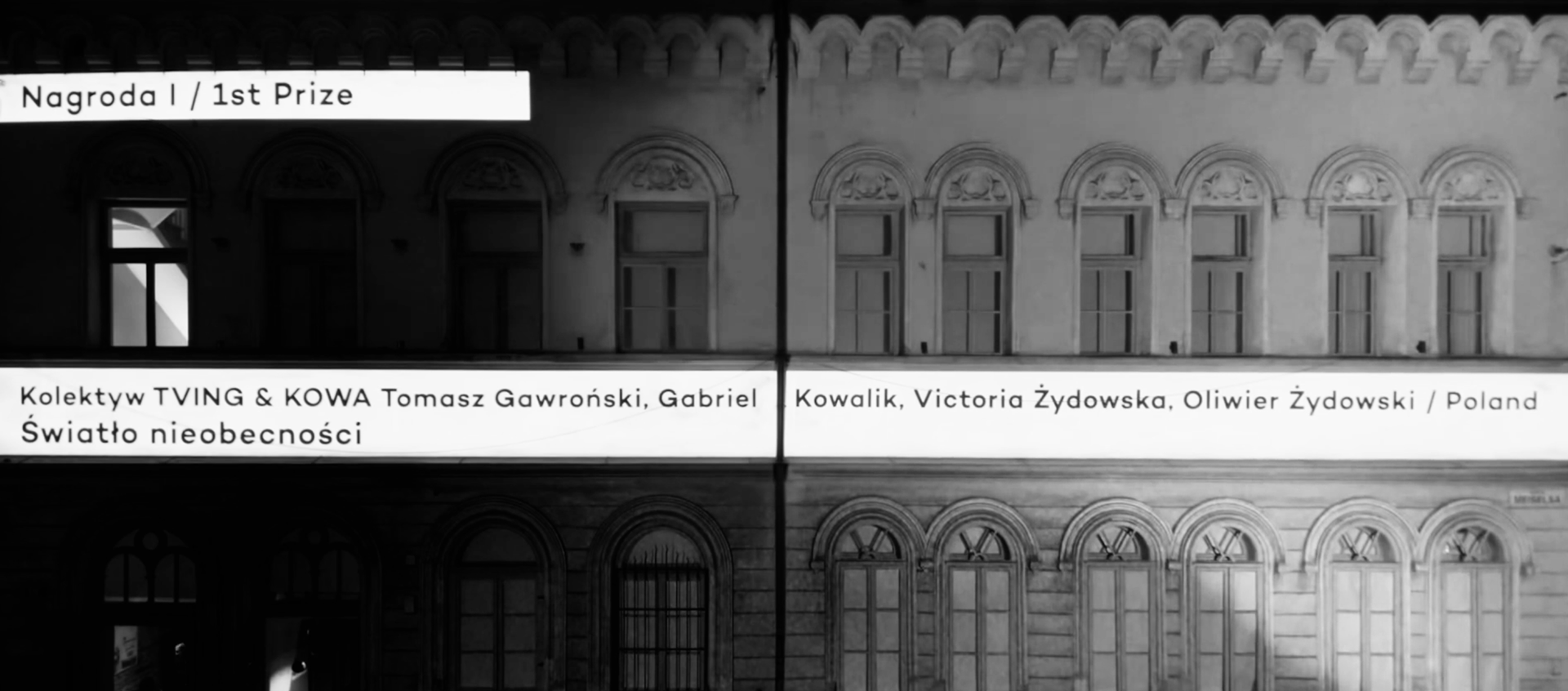
Winner of the 1st Prize at KAZ_LAB 2025 International Video Mapping Competition, Światło Nieobecności (The Light of Absence) is an audiovisual interpretation of the history and contemporary identity of Kraków’s Kazimierz district.
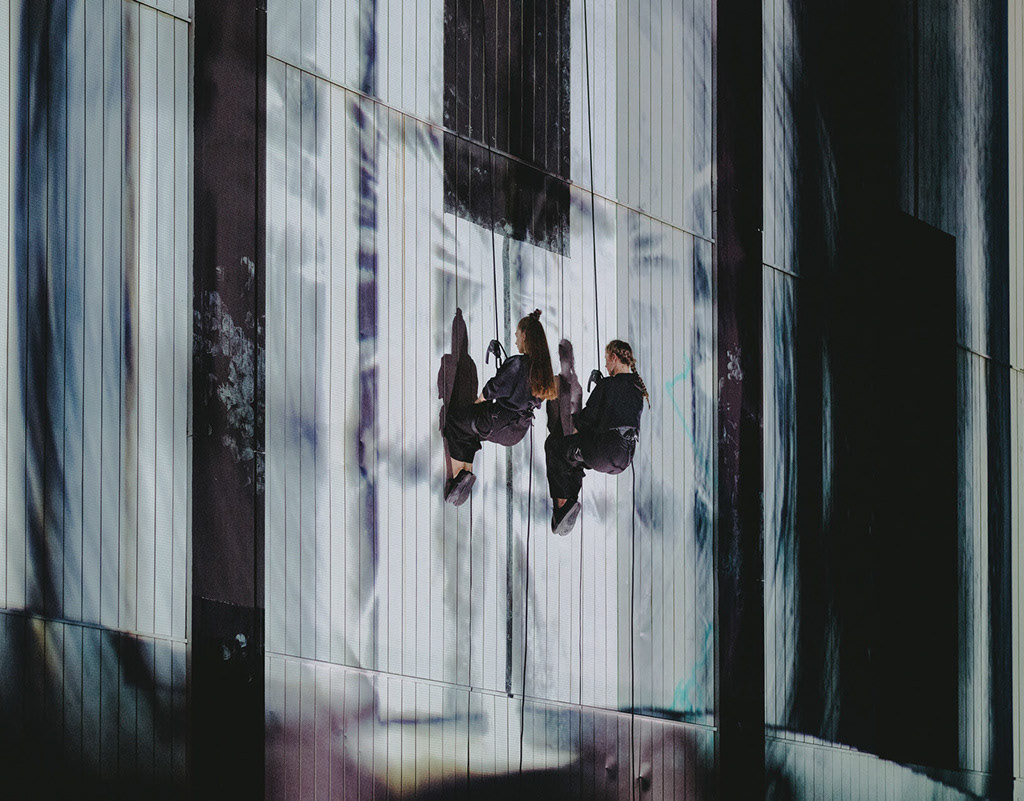
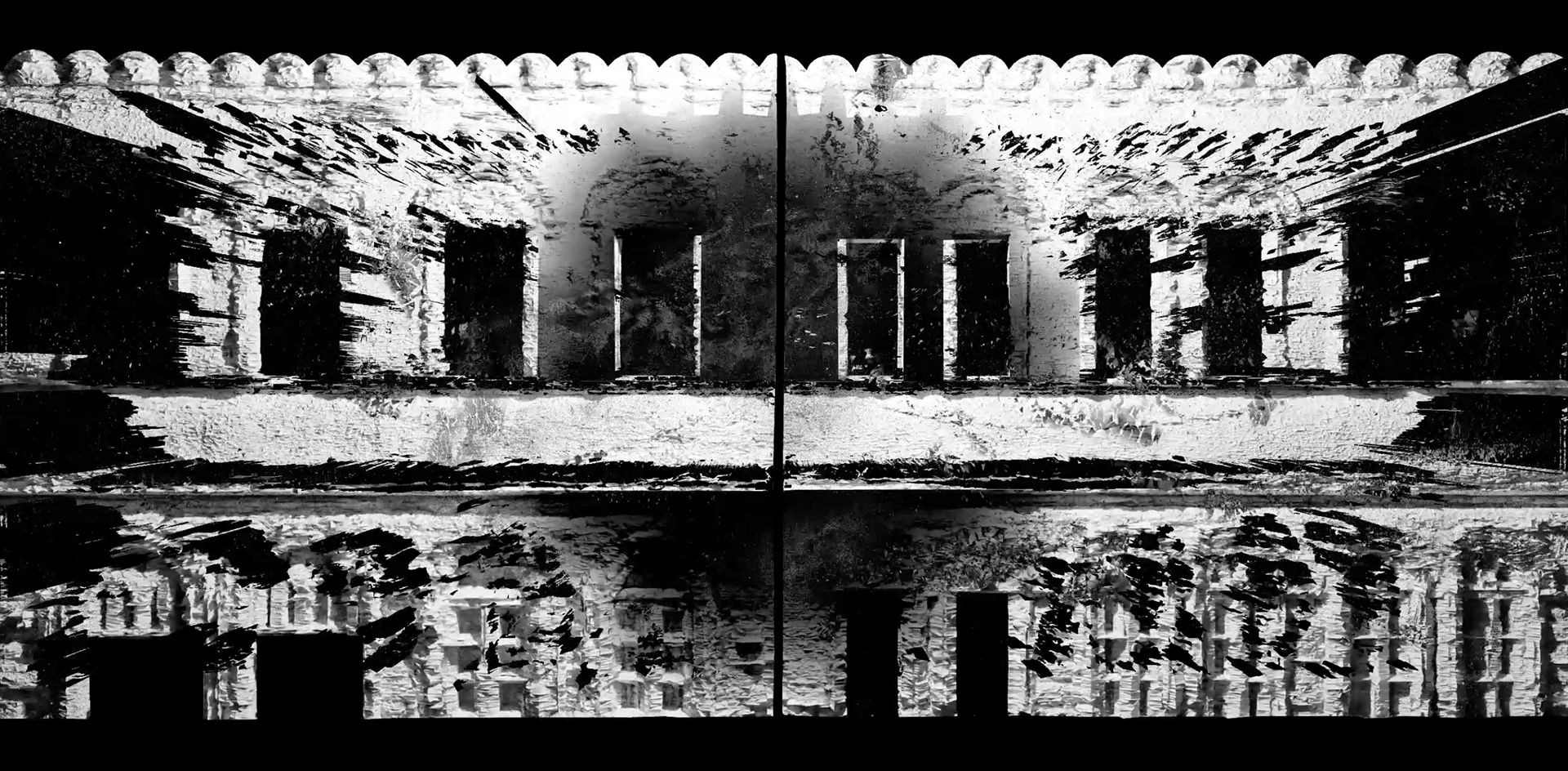
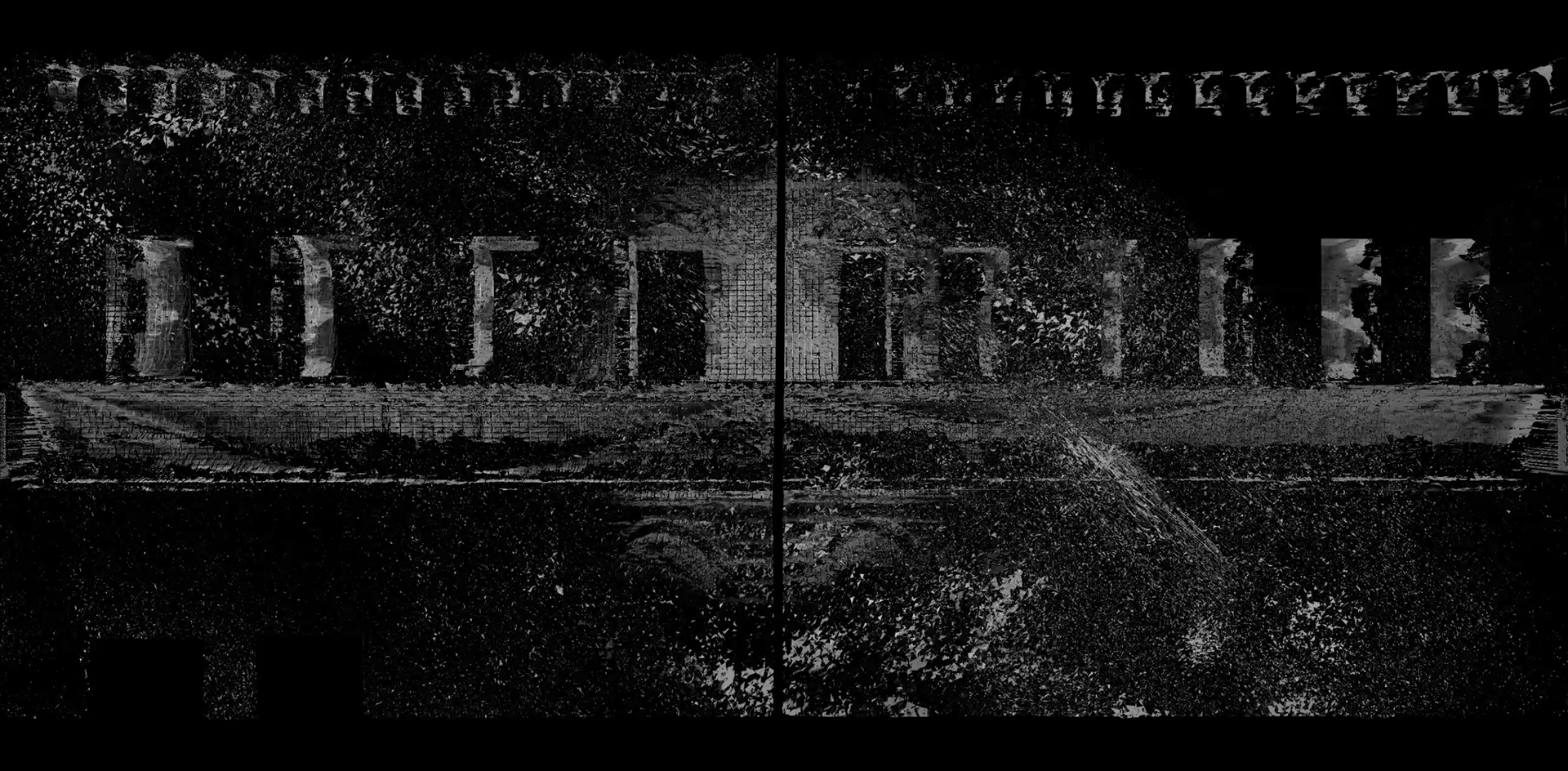
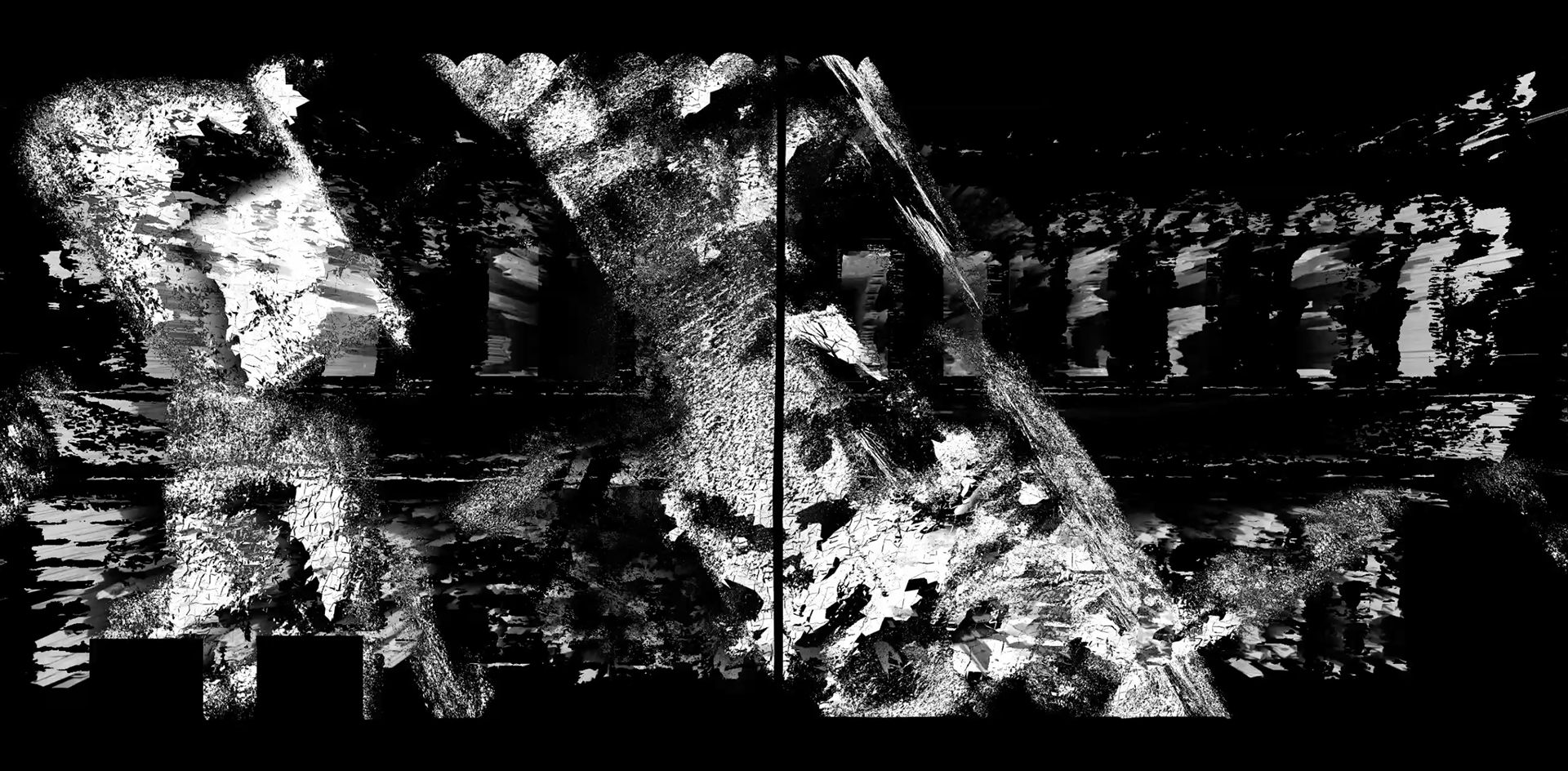
Created and directed by Tomasz Gawroński, the mapping transforms the facade of HEVRE into a living structure of memory.
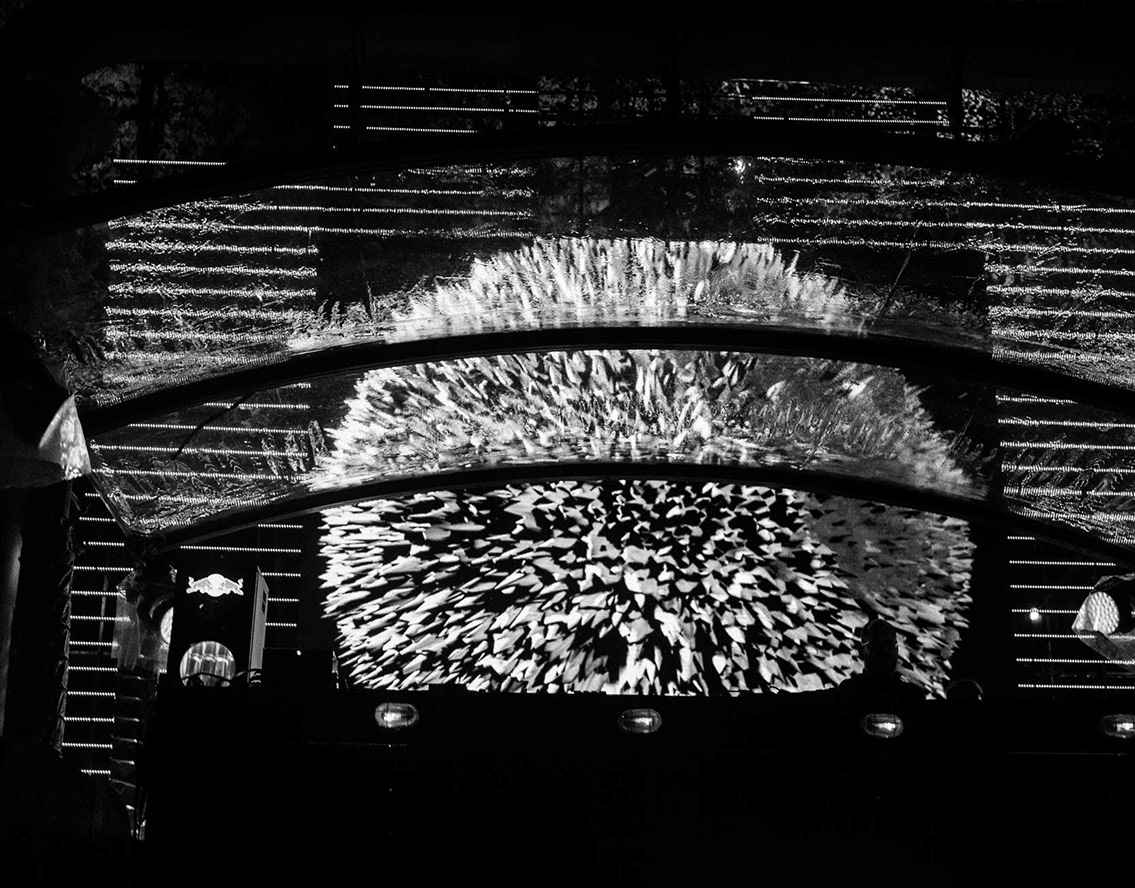
Rather than creating a literal illustration of the district's history, Tomasz Gawroński approached the facade as a space in which memory could emerge through light, rhythm and movement. Light itself became the primary medium of restoration, cleansing and renewal.
LIGHT, ARCHITECTURE & MEMORY
Inspired by the aesthetics of modernism and the architectural language of HEVRE, the mapping transforms the facade into a moving structure of memory. The building's geometry, preserved polychromes and characteristic ornamental details become part of the visual composition, allowing light to interact with the architecture rather than simply cover it.
The project approaches HEVRE not simply as a projection surface, but as a living fragment of history — something that cannot be restored in its entirety, but can be allowed to speak again through a contemporary language of light and sound.
SOUND
The visual transformation is accompanied by an original electronic composition by Gabriel Kowalik, known in Kraków as KOWA — a DJ and techno producer.
Built around minimalist pads and a recurring melodic motif, the piece establishes a subtle, persistent pulse throughout the mapping. Its repetitive structure creates a sense of continuity and quiet persistence, while its restrained, hopeful tone becomes an emotional counterpoint to the constantly transforming architecture.
COLLABORATION
Tomasz Gawroński invited collaborators to contribute to the project's musical and historical layers under the banner of TVING STAGE DESIGN.
Victoria Żydowska conducted the historical research, prepared consultations and sourced the relevant bibliography. As a central reference, she selected HEVRE itself — its architectural form, preserved polychromes and distinctive decorative details of the former house of prayer.
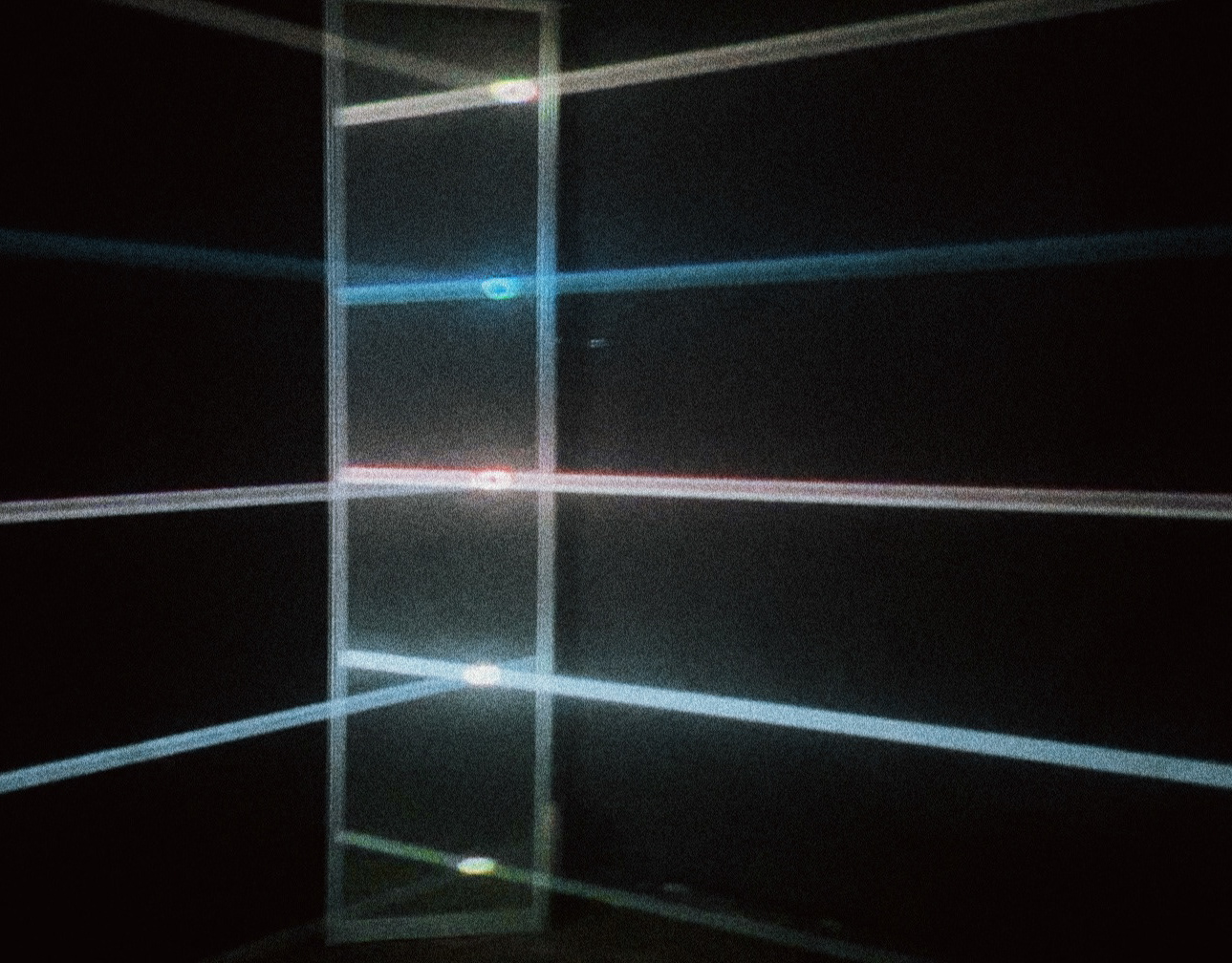
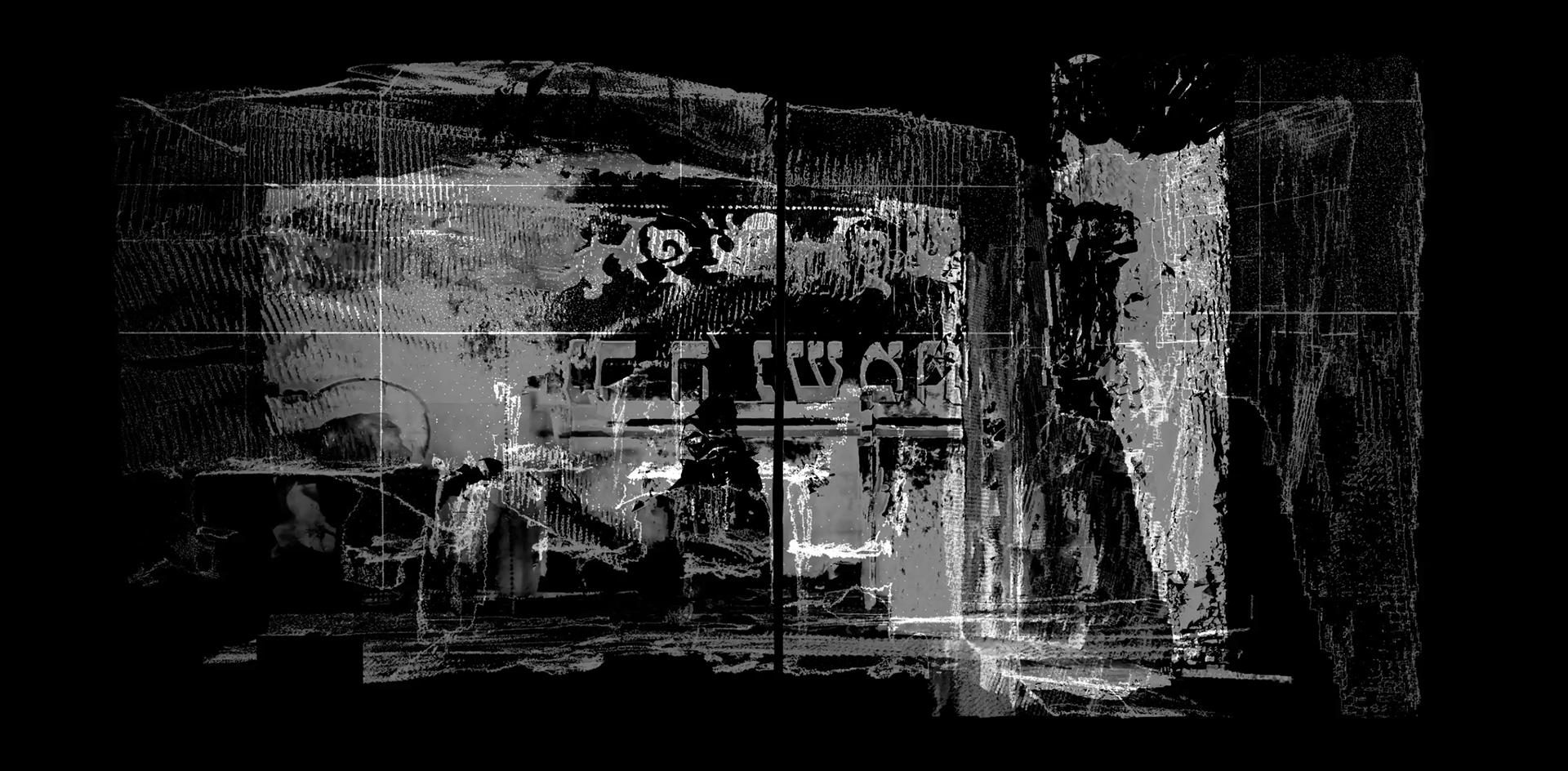
Oliwier Żydowski prepared a LiDAR scan of the interior of HEVRE, adding a spatial dimension to the project and allowing the building to be explored beyond its exterior facade.
Światło nieobecności was created as a response to the complex identity of Kazimierz — a district that remembers while continuously transforming. Rather than attempting to reconstruct the past, the project focuses on the traces that remain, allowing them to return temporarily as light, movement and sound.