

MARIUSZ PRZYBYLSKI
spring-summer
2023 collection
Mariusz Przybylski "Night Rider"
Sex appeal is always intertwined with darkness for me, says Mariusz Przybylski. "Night Rider" collection for the spring-summer 2023 season created perfect outfits for the season: little black dresses with cutouts, openwork maxi dresses and draped leopard skirts.
"Night Rider" it is based on solid colors:
white,
gray,
black.
To this range he added a fashionable and strong accent: pink.
Mariusz sewed a collection of precious fabrics: jacquards, cashmere and leather. He collaborated with craftsmen in creating hand-made, woven openwork elements.
Przybylski domain is detail - underwear lace sticks out from under the jersey top.
I love "grinds", flavors, unusual combinations - reconciling seemingly incompatible worlds. Mariusz Przybylski
The master of elegance and the maestro of detail returned in his characteristic style: classic, but without boredom. The easily digestible eclecticism of the latest collection was tastefully served to the audience hungry for large-scale fashion spectacles.
At times peppery, at other times exquisite or sweet. This is Mariusz Przybylski's original recipe for the fashion of the coming months.
visual
concept
show
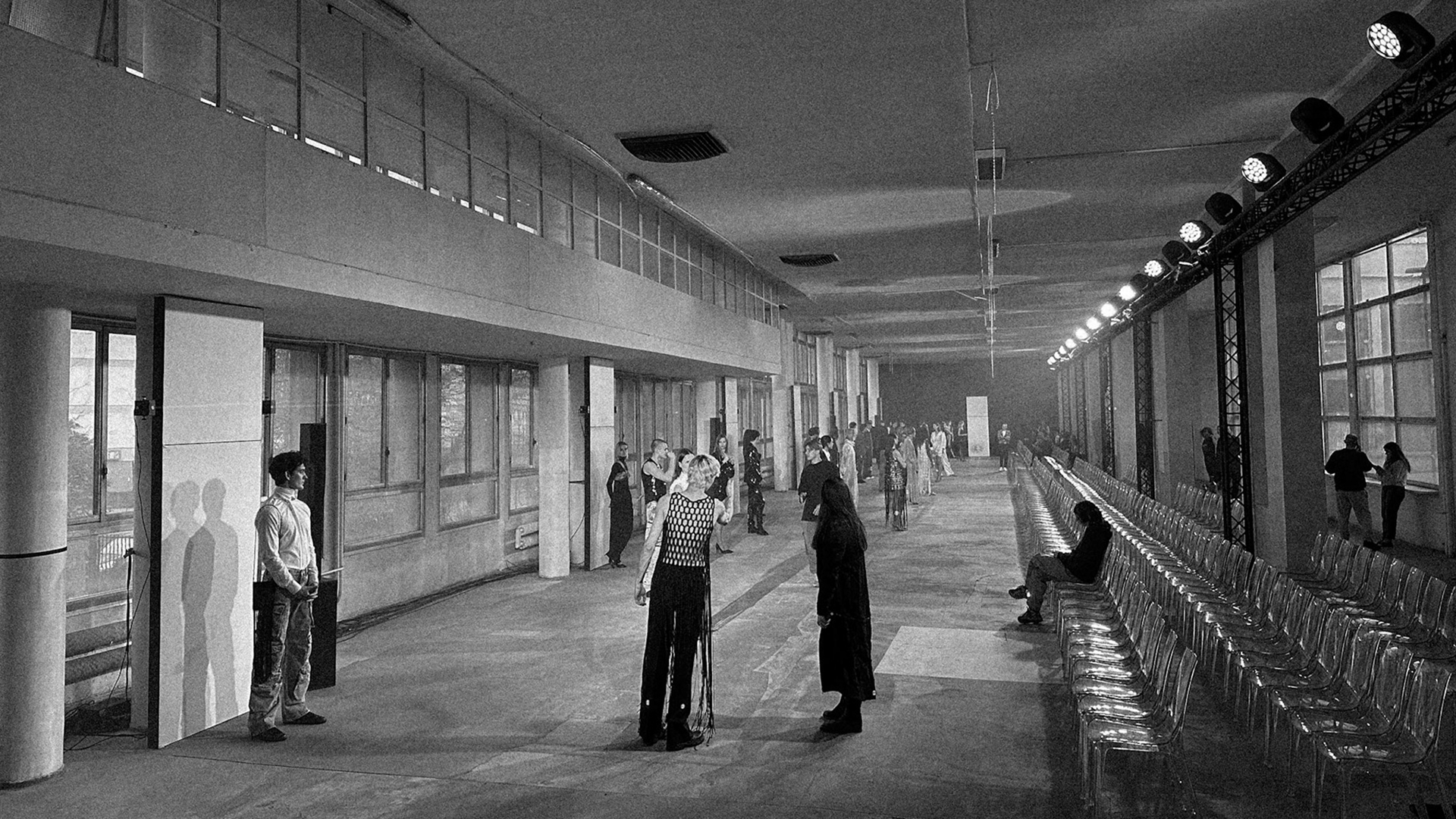
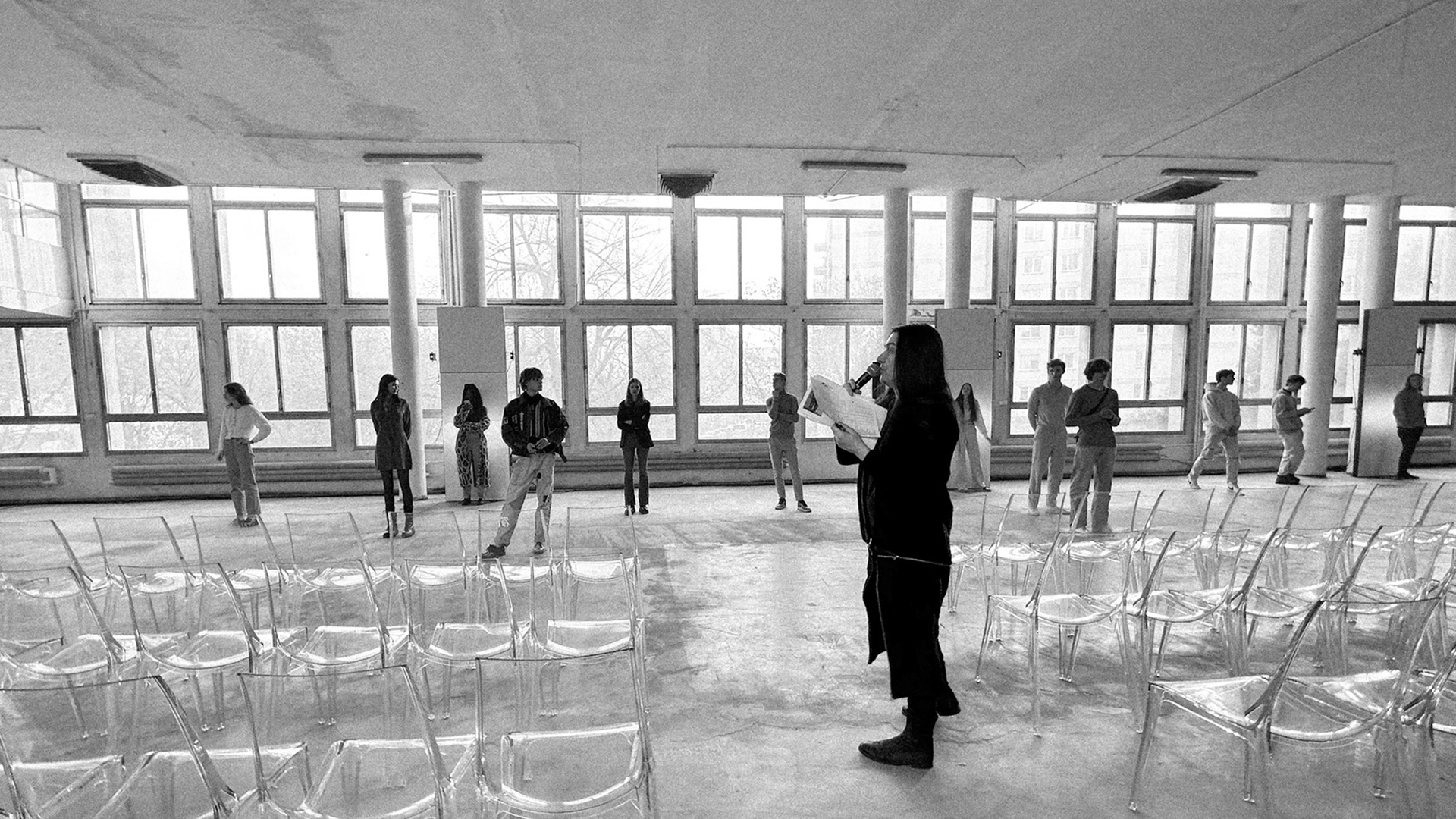
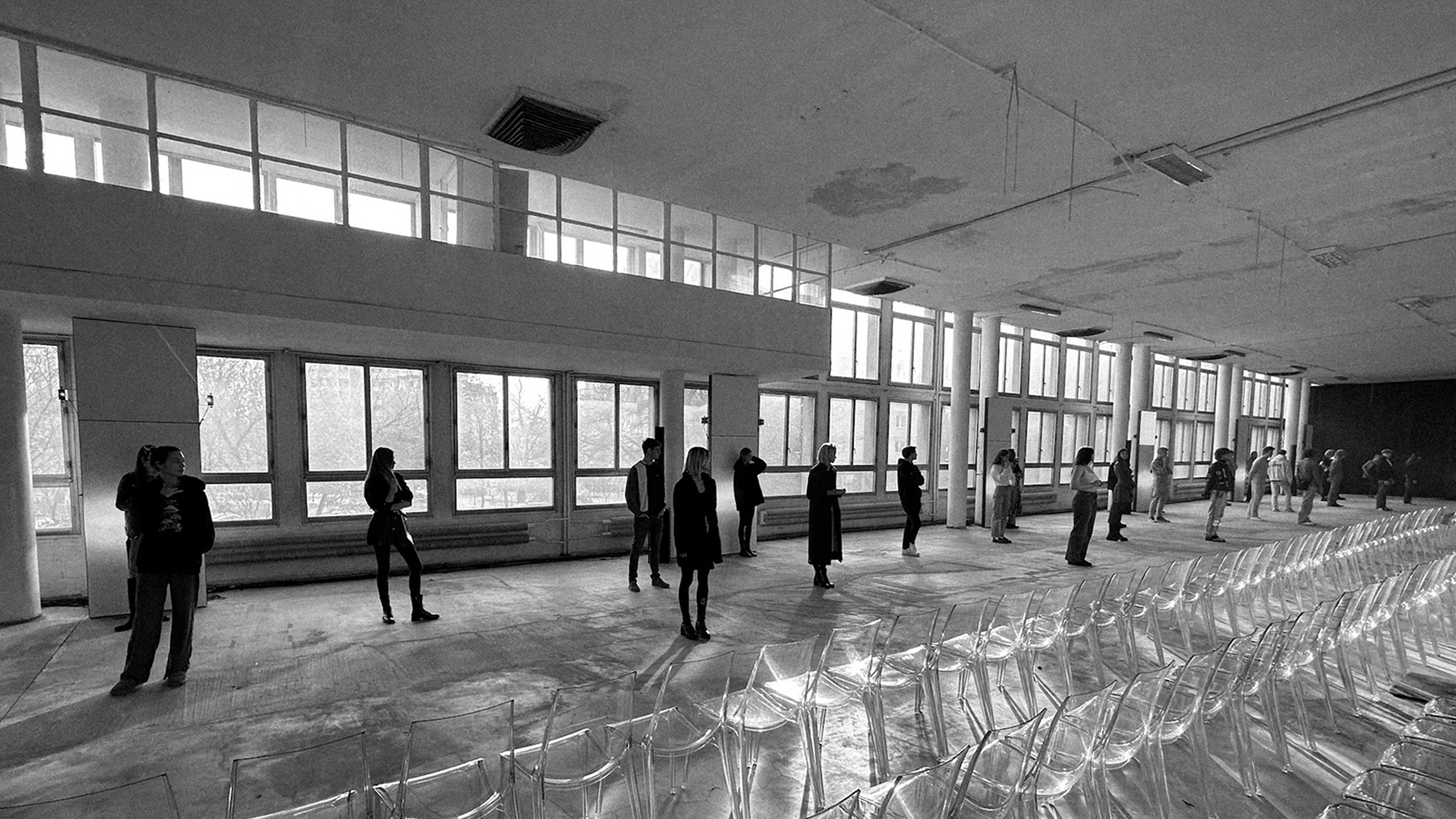
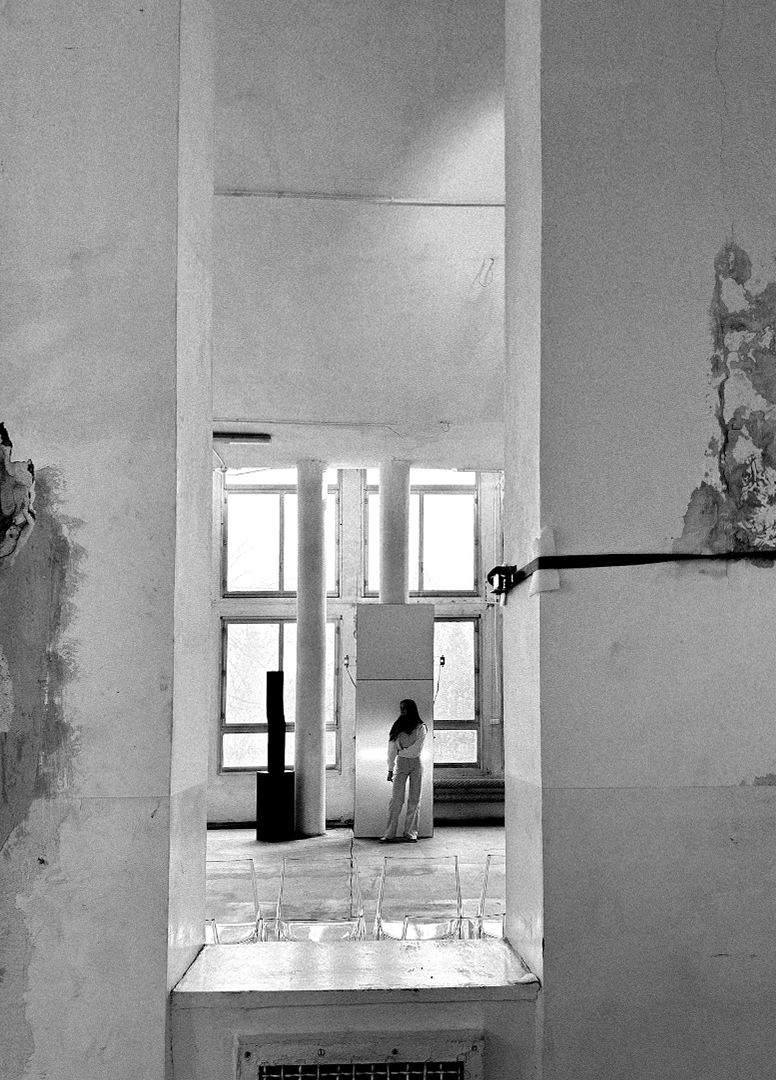
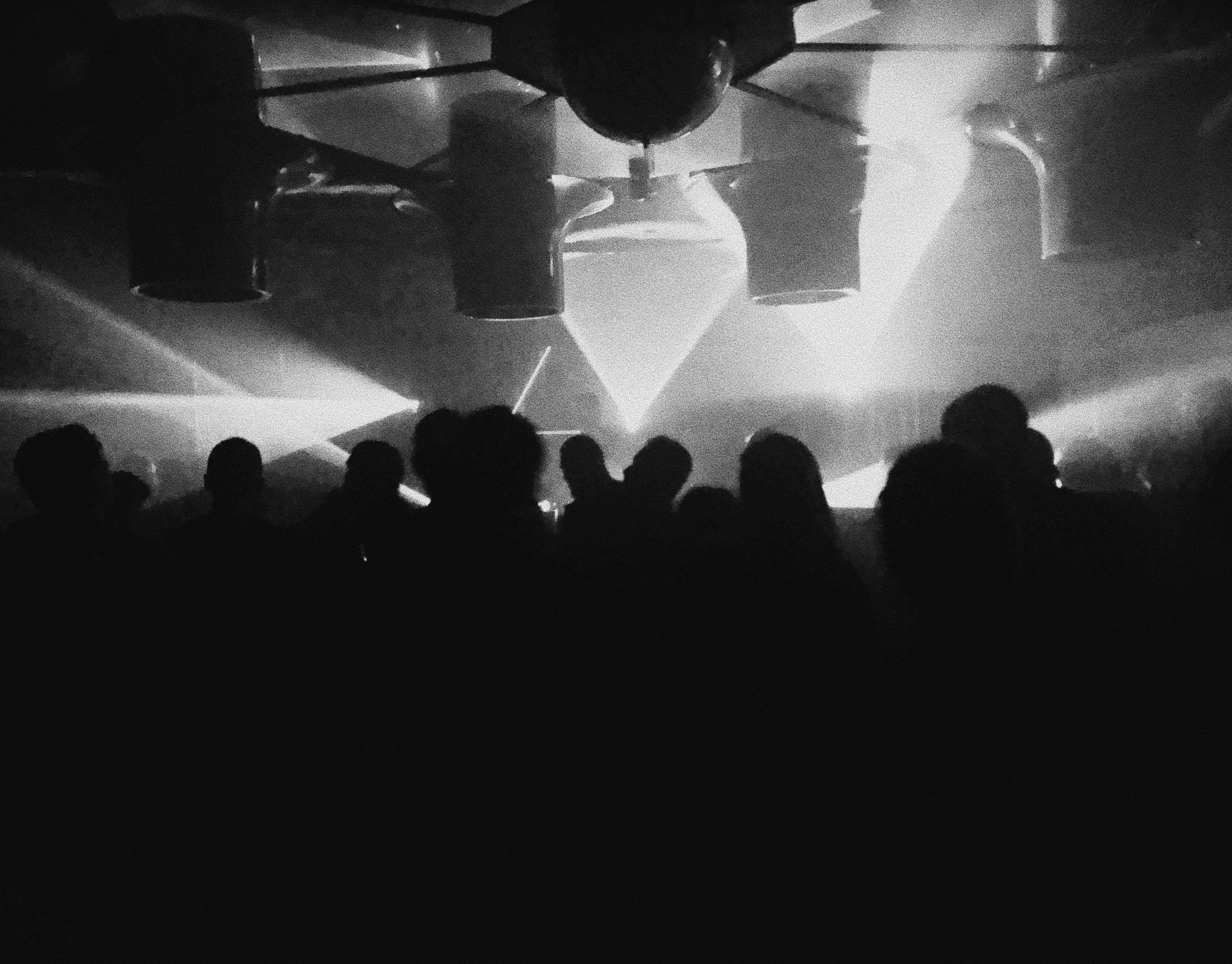
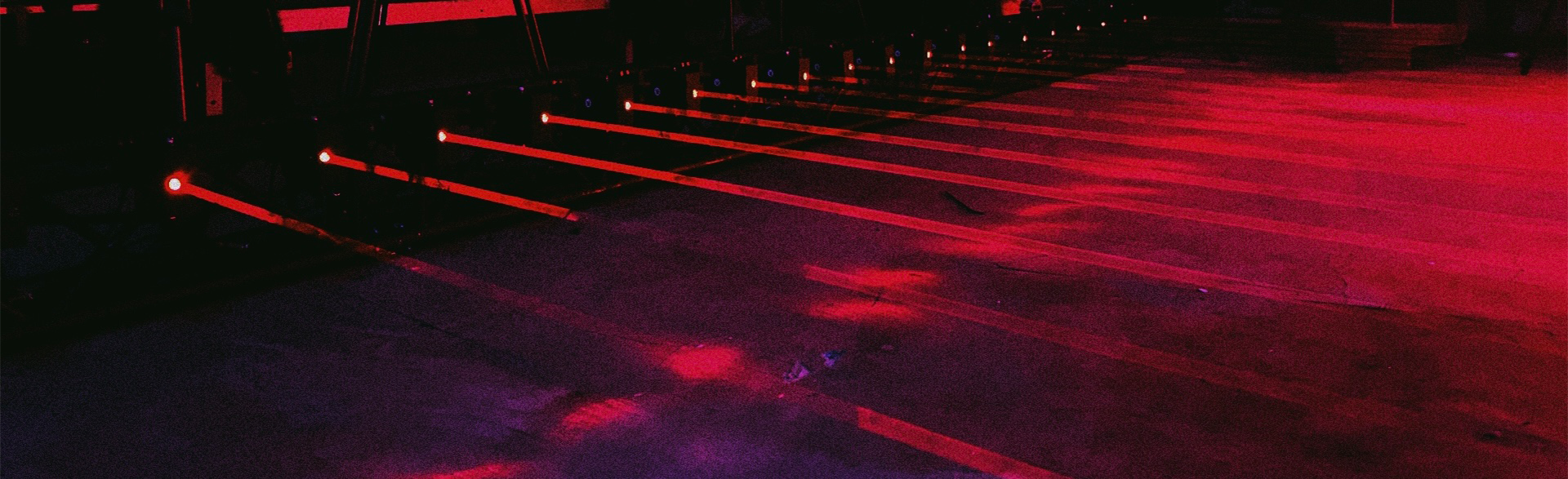
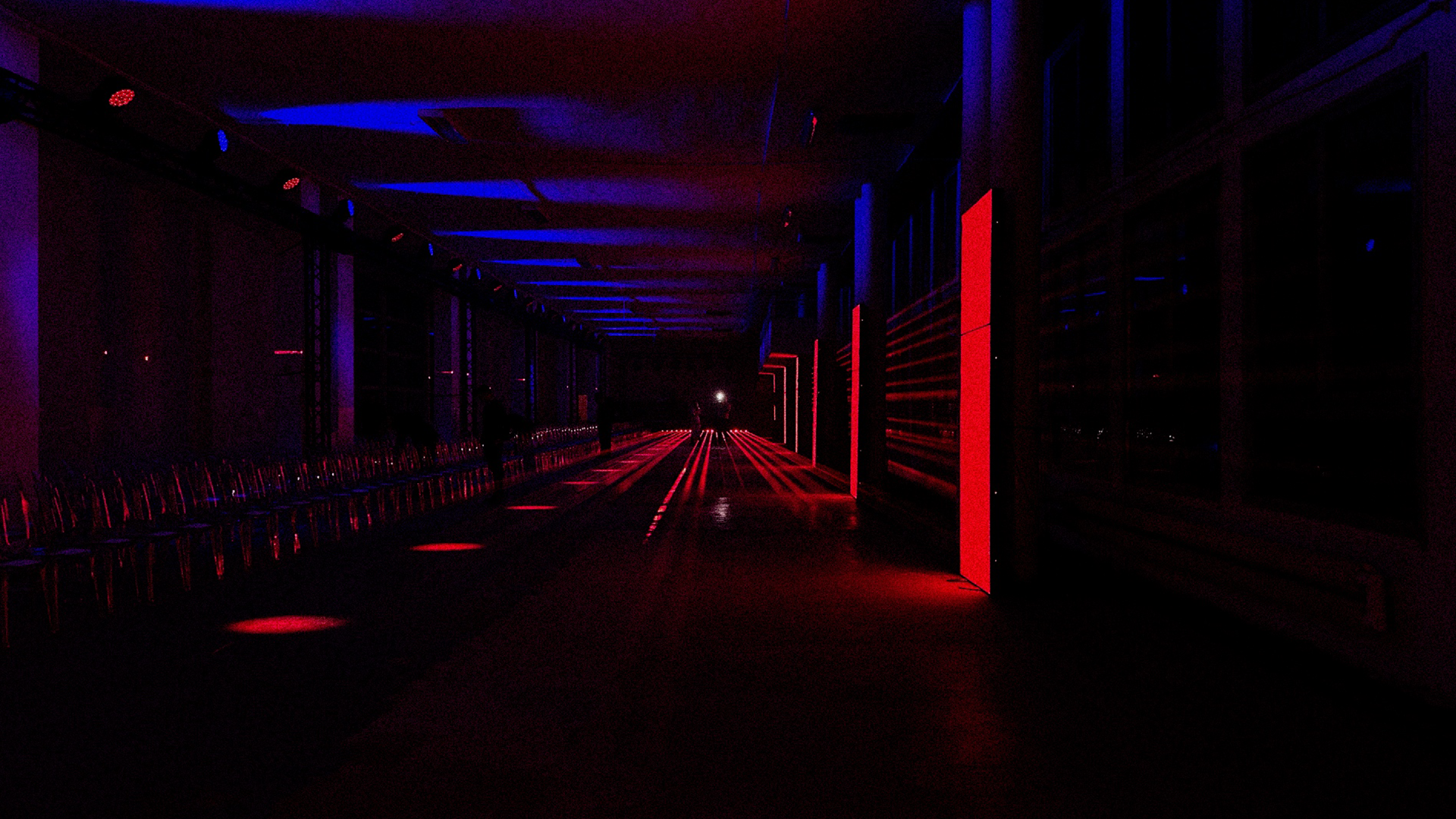
The Spring 2023 collection show took place in the former Scientific and Technical Printing House from 1950 (Warsaw) — a raw, post-industrial space carrying its own weight of memory and tension.
It was a special evening and a unique moment, as Mariusz trusted me not only with his vision, but also with a certain warmth — allowing visual intuition and instinct to lead the narrative
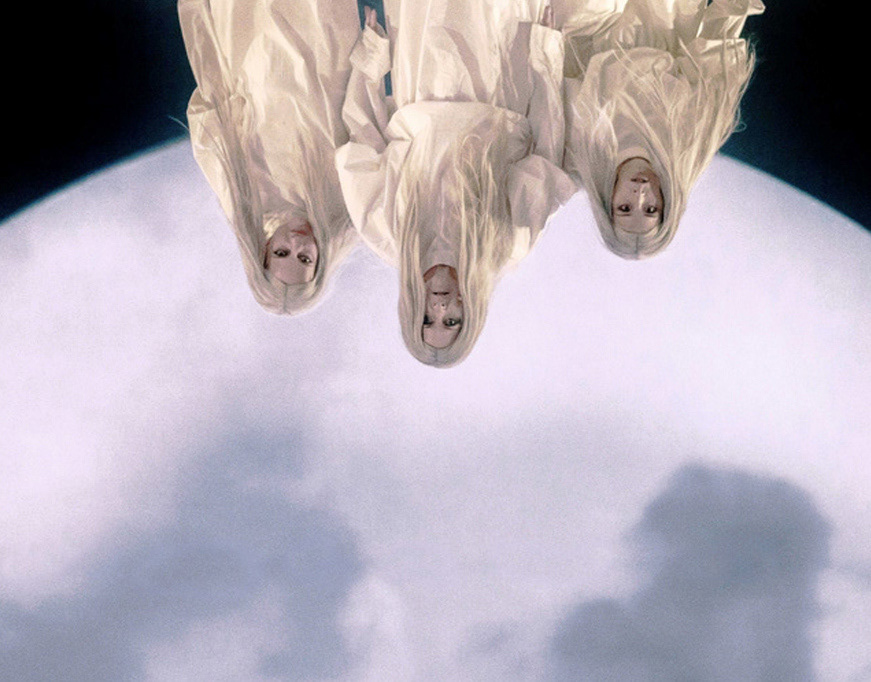
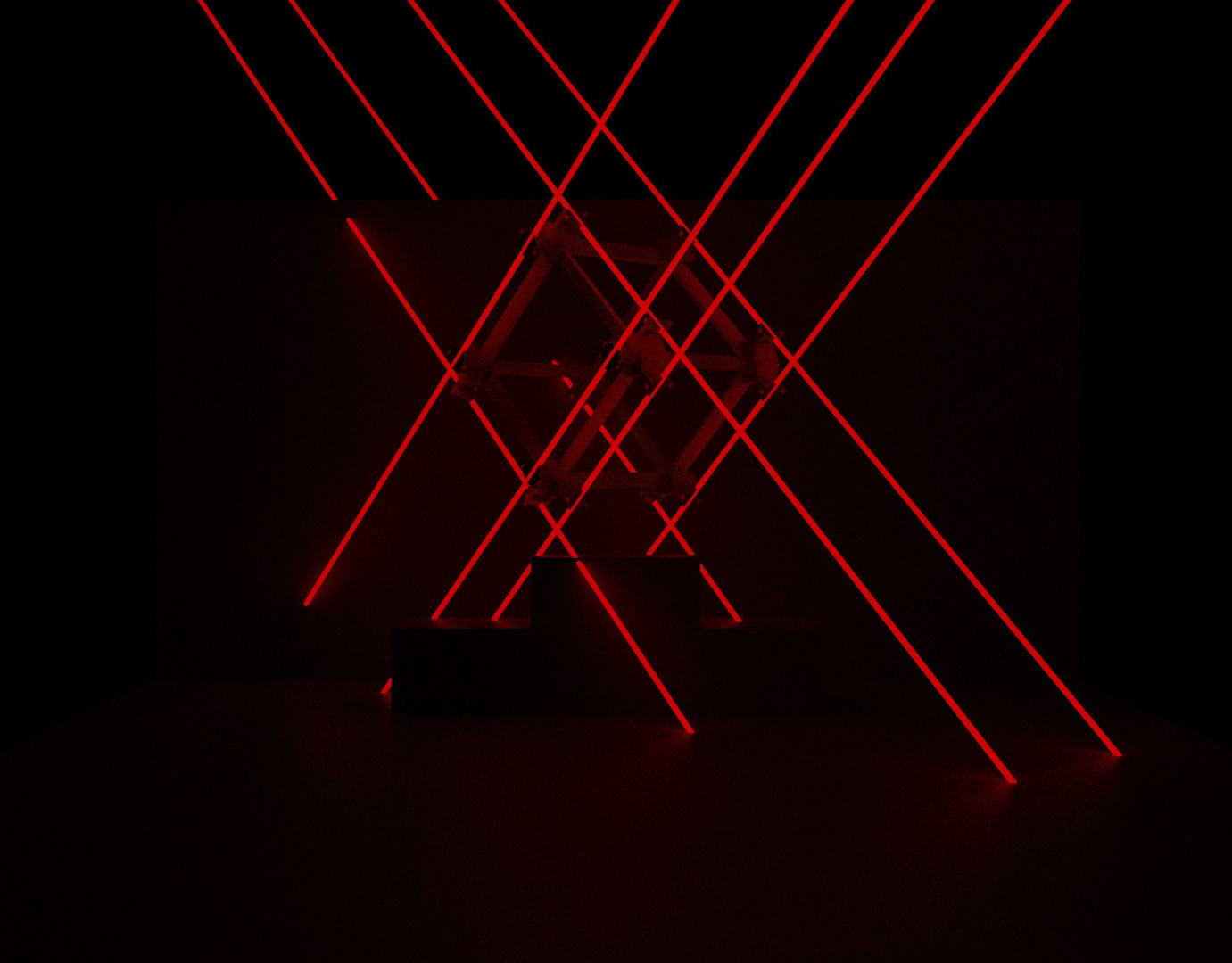
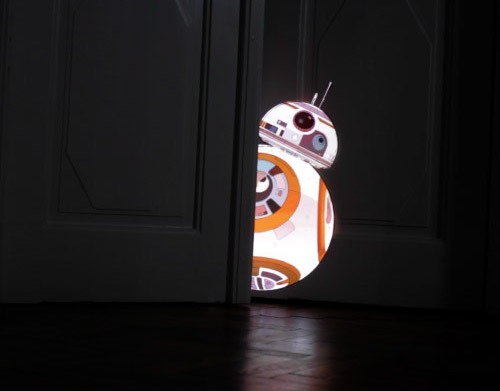
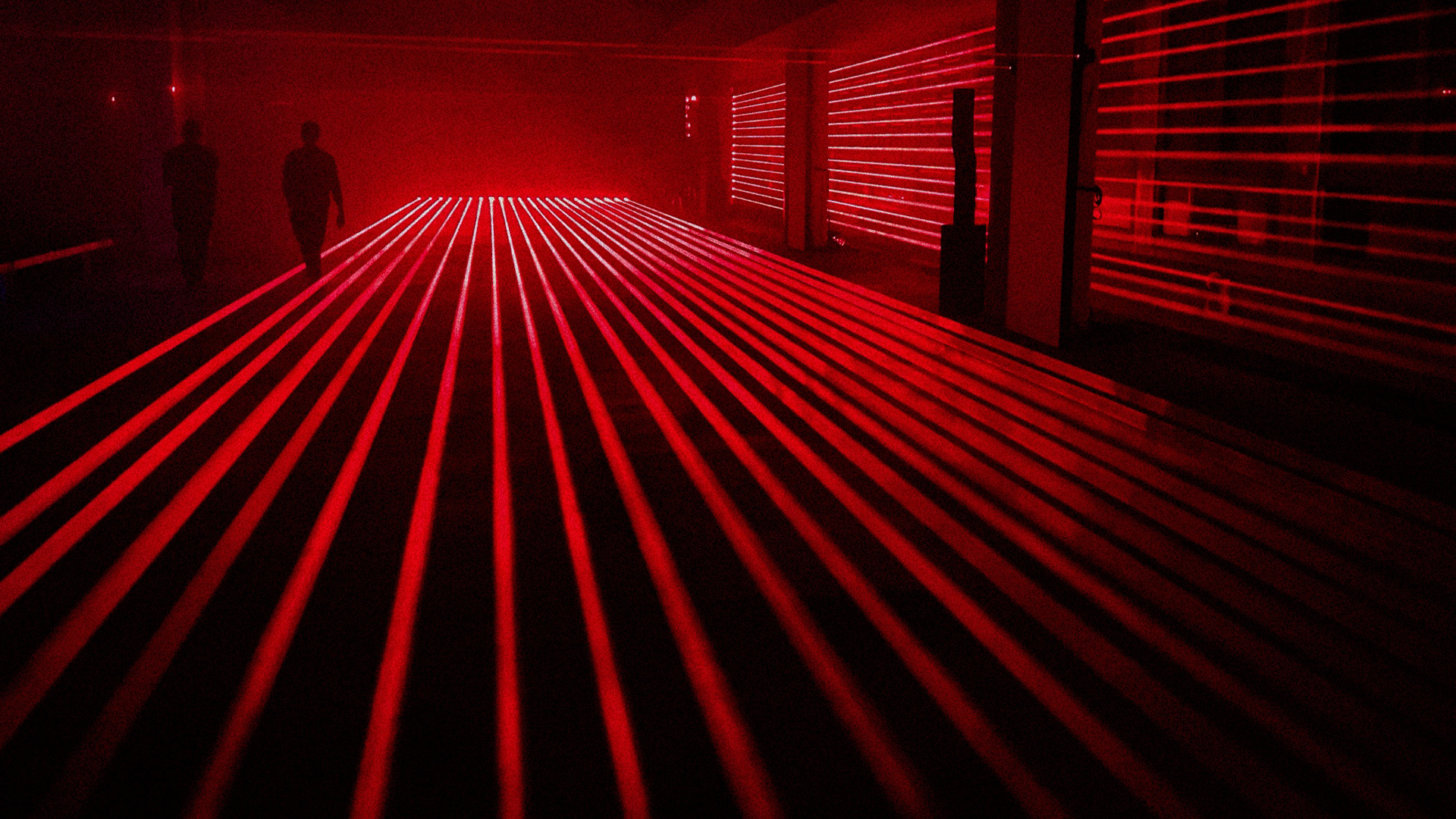
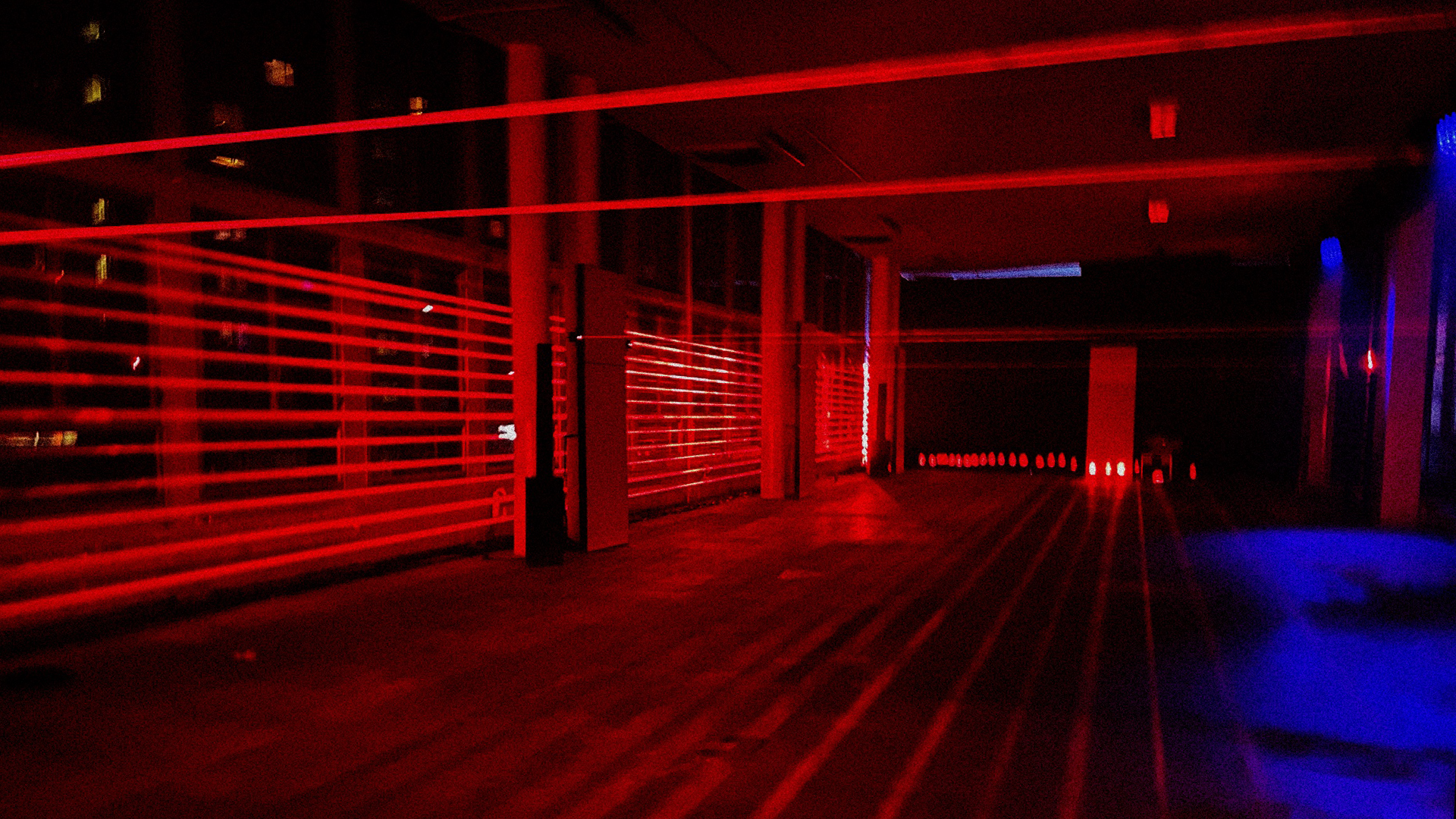
Inspired by the industrial character of the building, the collection itself, and the designer’s restless energy, I imagined a space where blurred, abstract visual forms collide with sharp, almost aggressive laser “claws,” creating a strange, unstable patchwork.
A place oscillating between softness and precision.
A place oscillating between softness and precision.
Strong, dynamic electronic sounds intertwined with dreamlike melodic structures were meant to pull the audience’s imagination toward the desert landscapes of Dune — vast, hypnotic, and slightly unsettling.
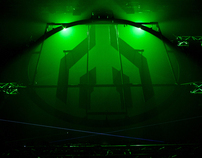
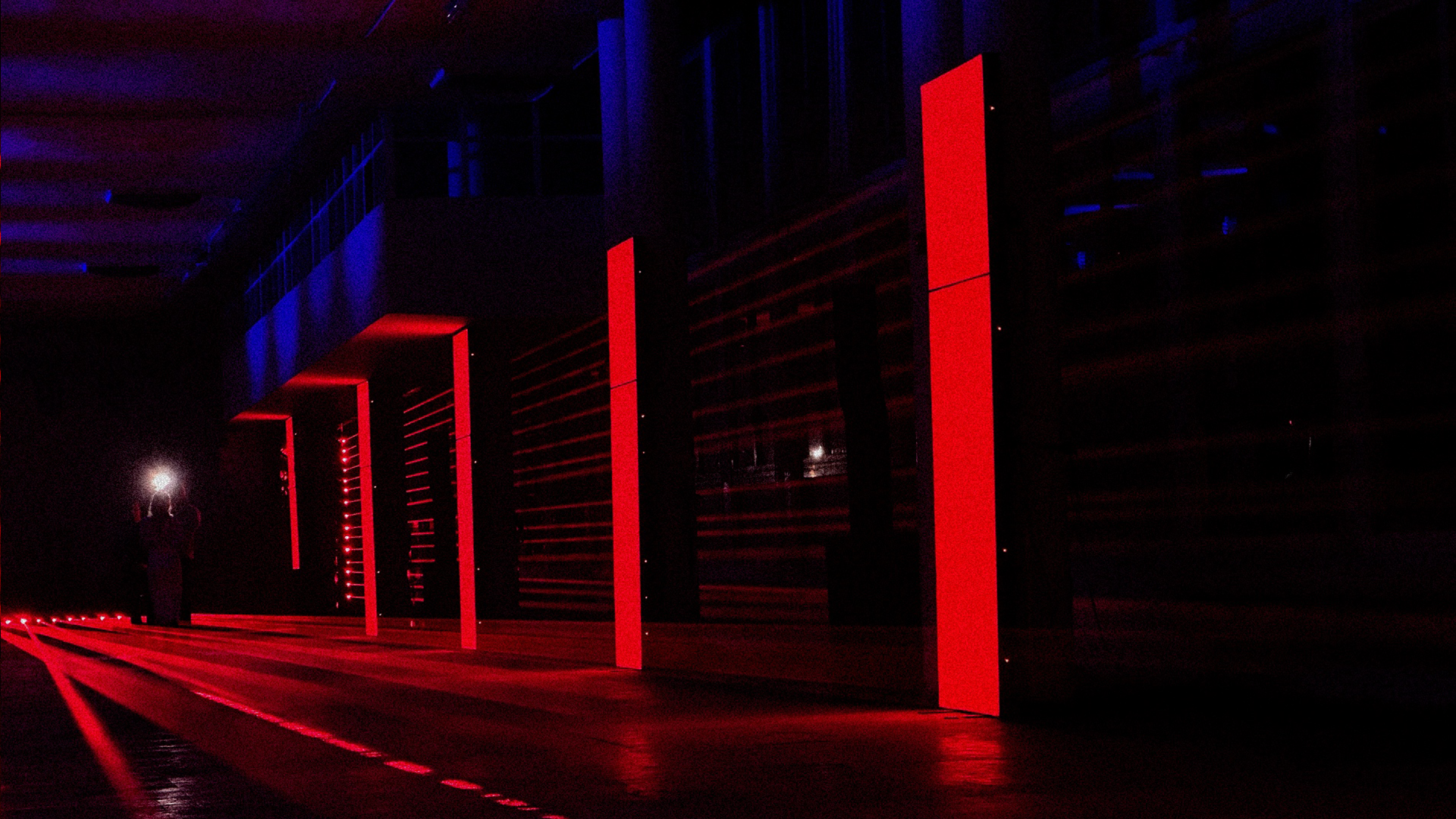
To build this visual language, we used devices from the Polish company FOS Design — including the Red Laser Beam and the LIGHTbox – Ambient Light Screen. These tools allowed us to work not only with light as illumination, but with light as material: cutting space, suspending time, and subtly dissolving architectural boundaries.
In its final form, the scenography became a space whose source was not solely the collection itself, but a speculative future — a fusion of industrial residue, digital abstraction, and Mariusz’s fantasy.
Rather a living system reacting to sound, movement, and presence.
The visuals were not meant to explain anything.
They existed to be felt — somewhere between control and distortion, clarity and noise.
They existed to be felt — somewhere between control and distortion, clarity and noise.
choreographic rehearsals
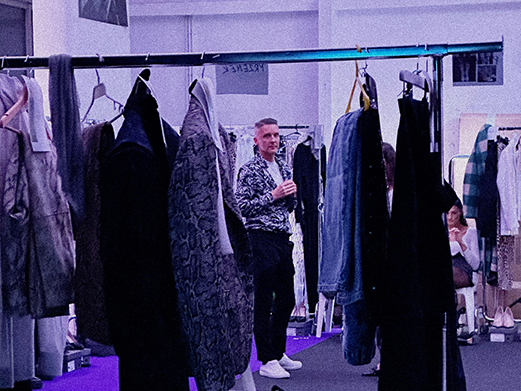
behind the scenes