MUZEUM EMIGRACJI:
CISZA NA MORZU
GDYNIA 2025
CISZA NA MORZU
GDYNIA 2025

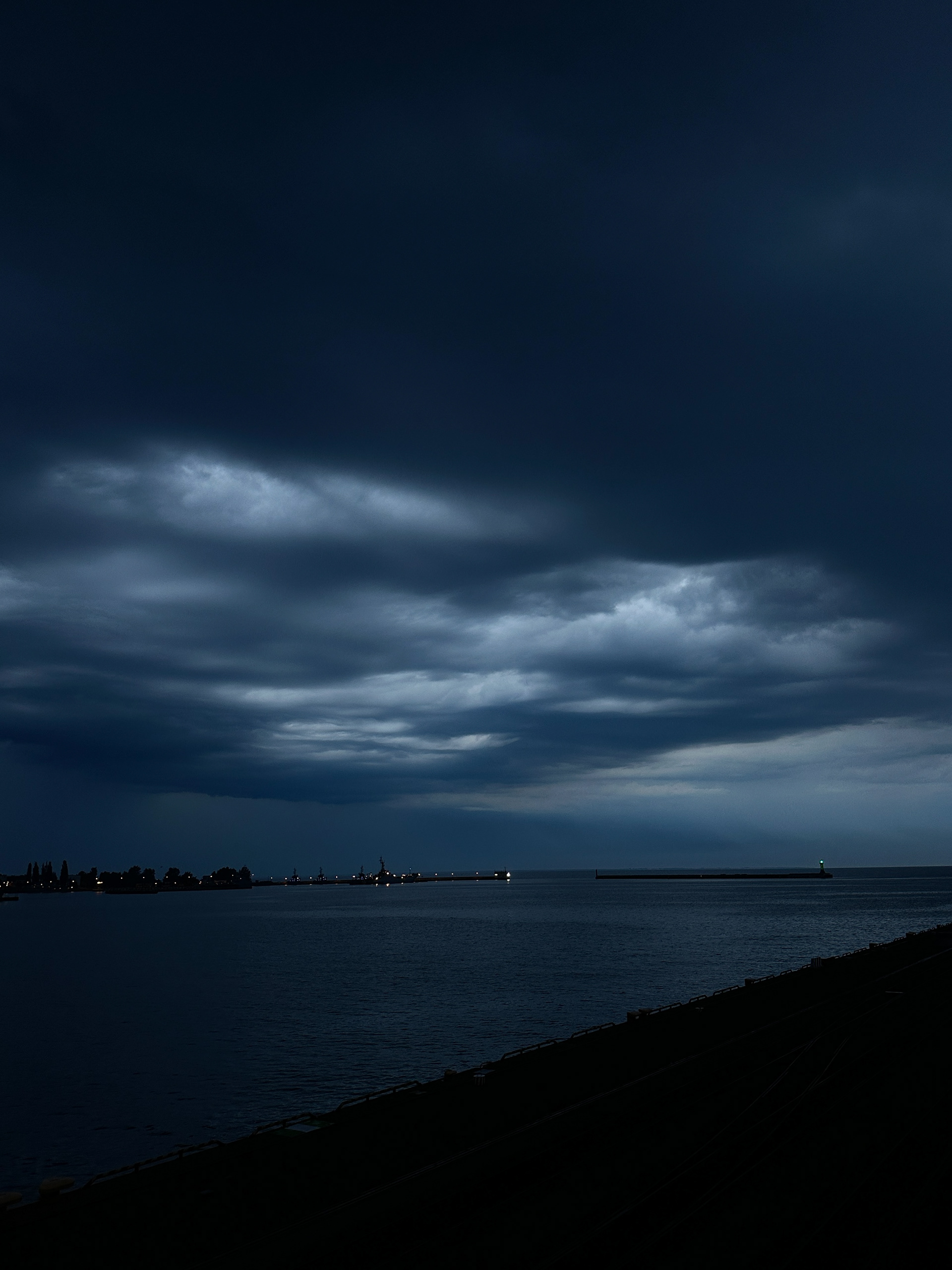
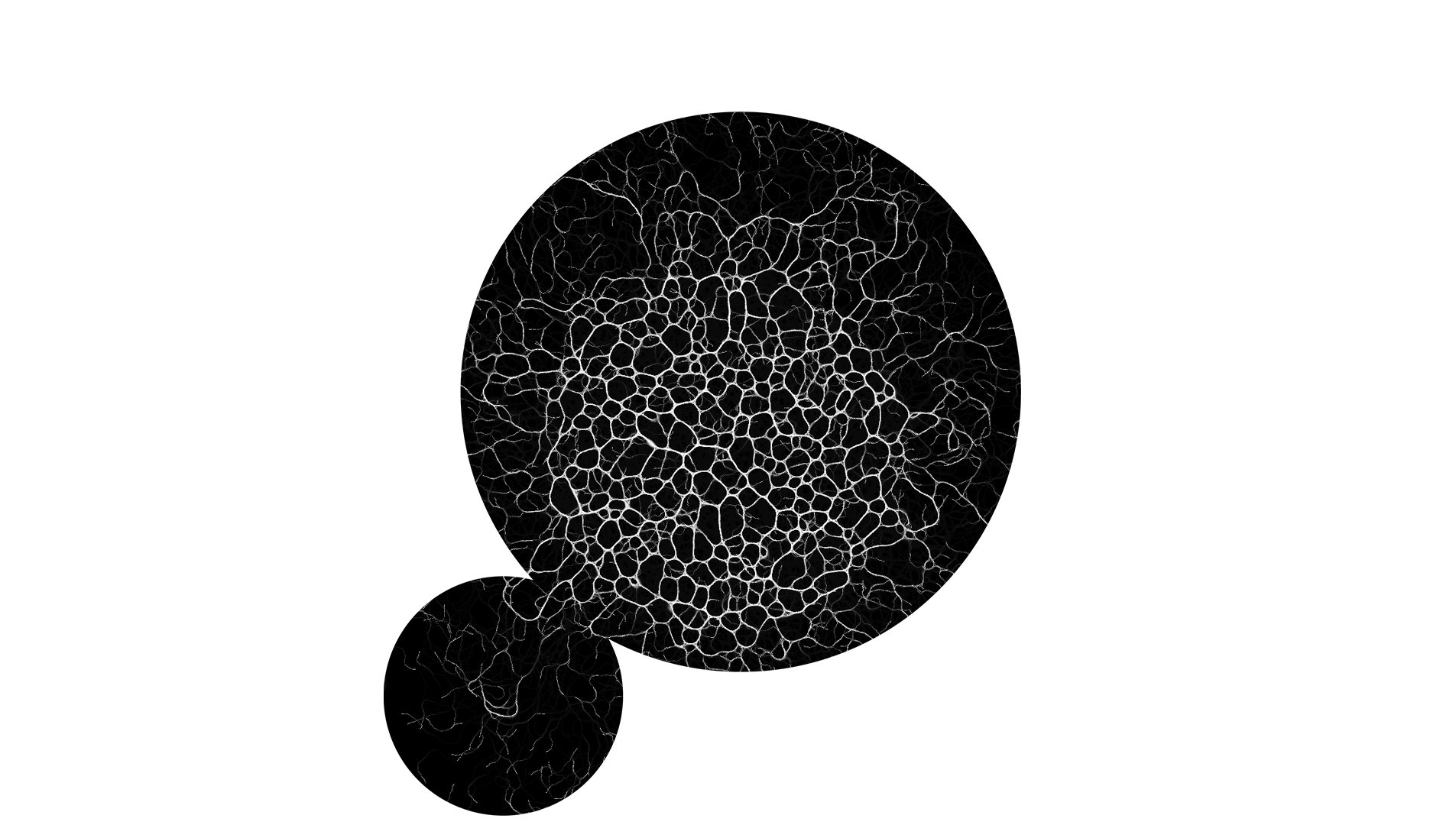
AMBIENT has a unique ability to correspond with its surroundings and easily enters into dialogue with almost any space. However, coastal soundscapes seem to be especially close to music composed of noise, reverberation, and undulating waves.
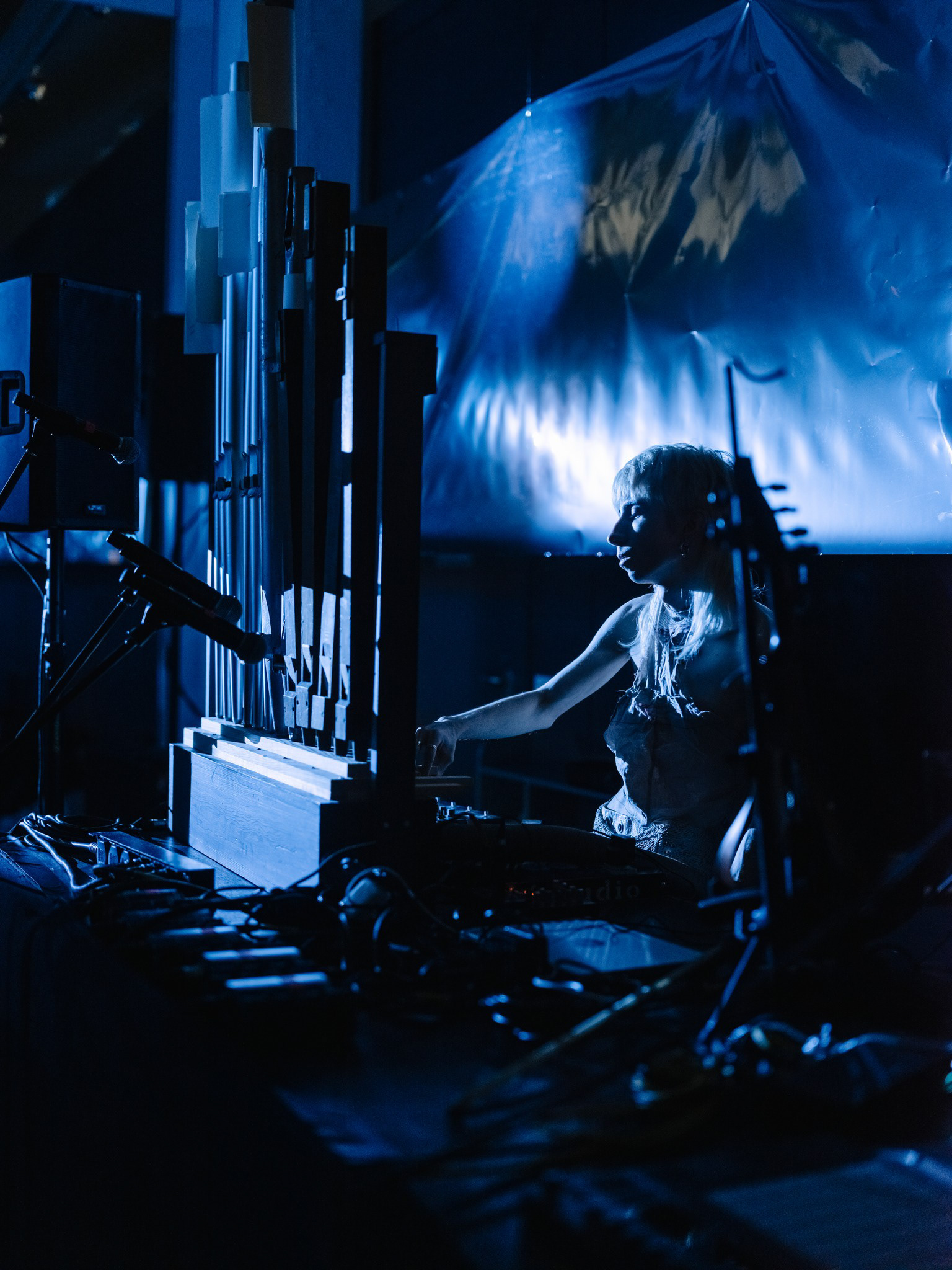
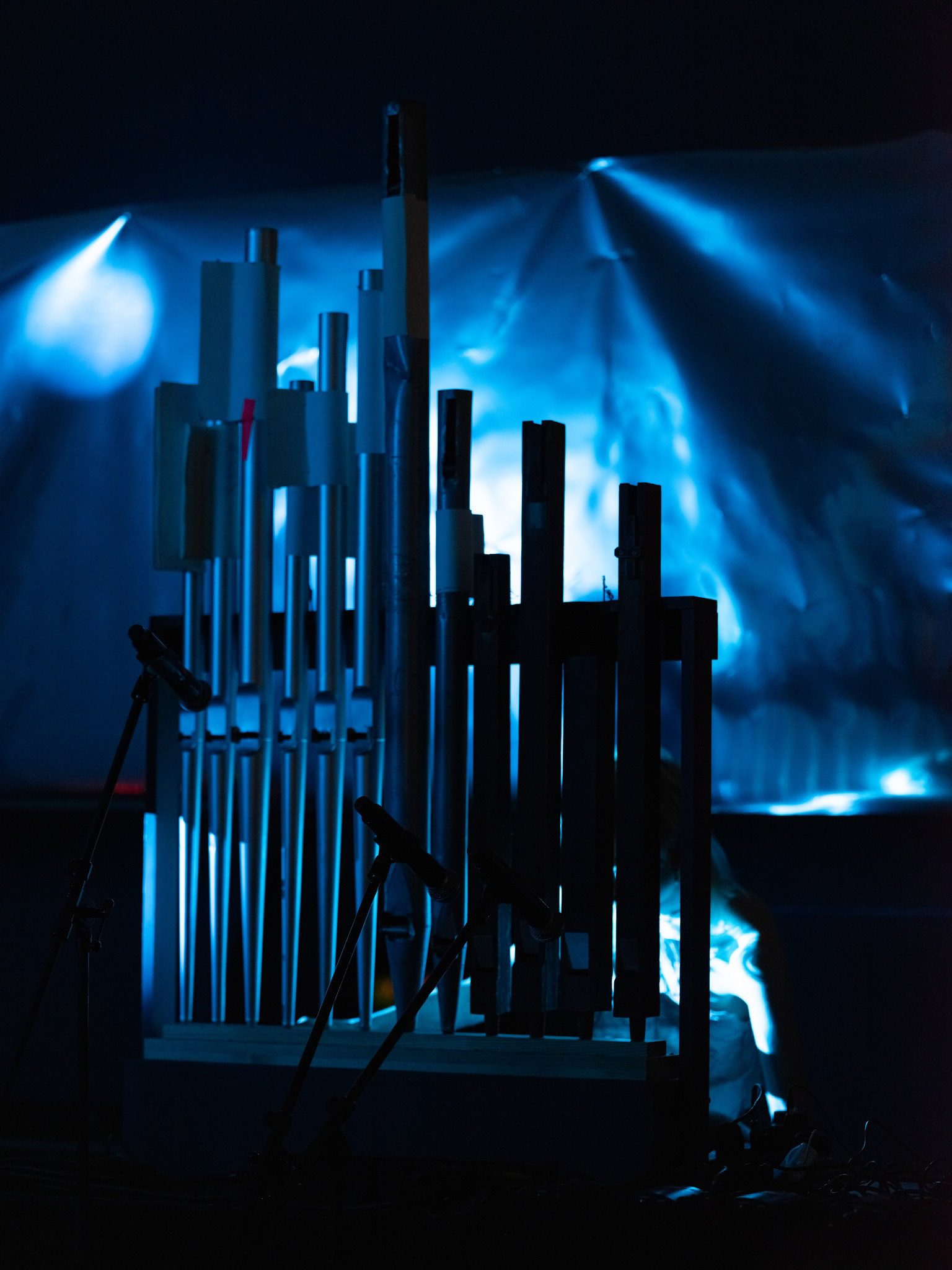
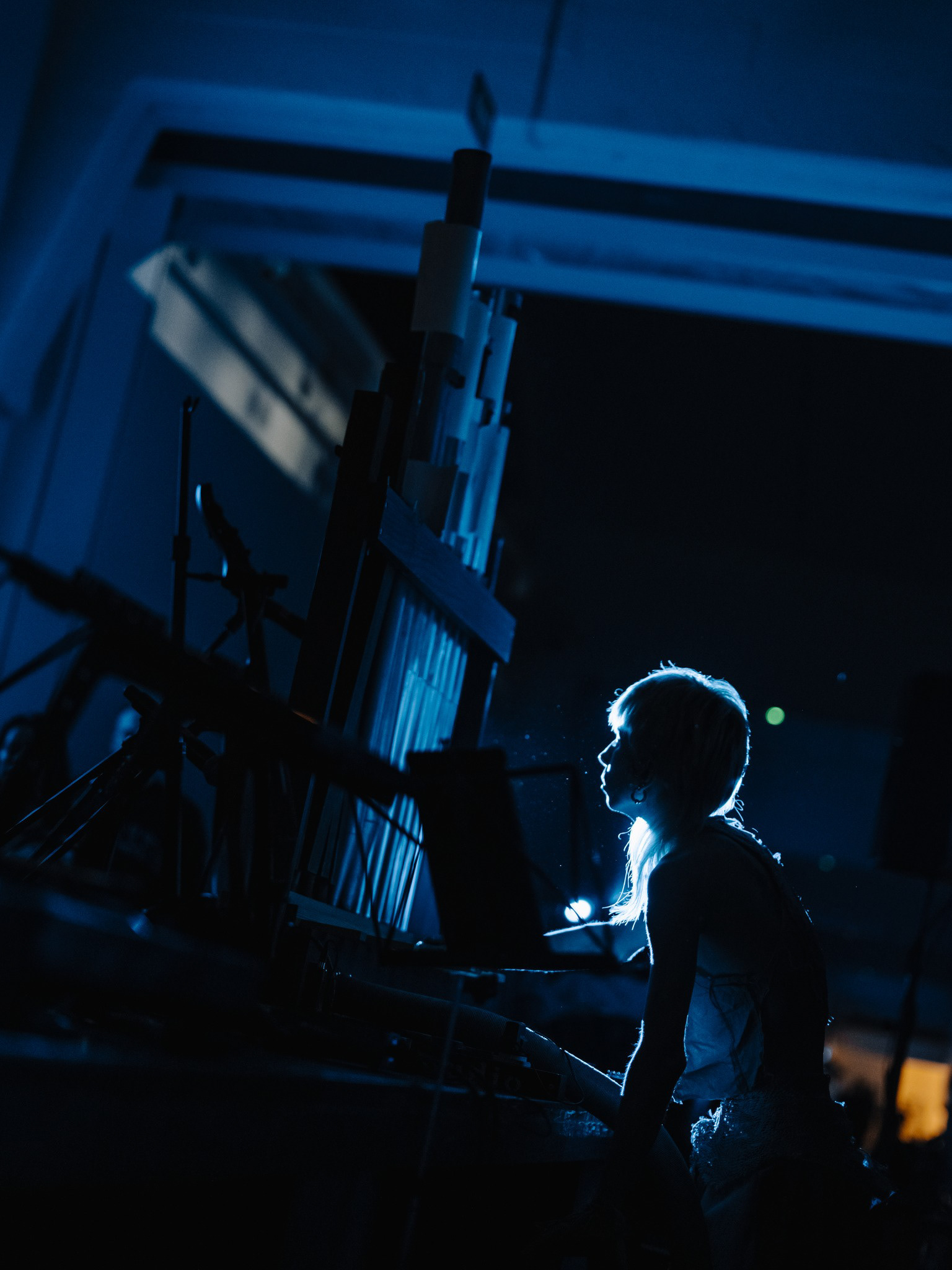
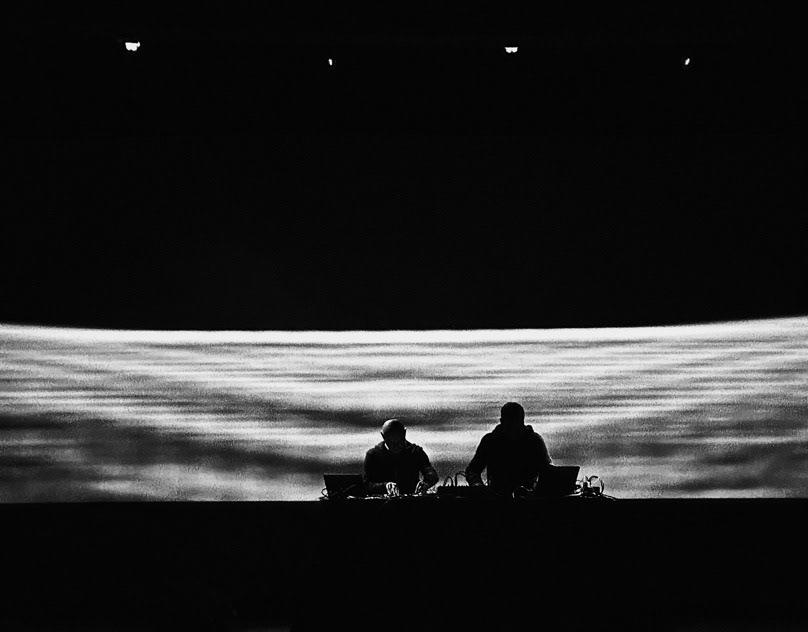
Noc Muzeów | 09.08.2025 | Muzeum Emigracji w Gdyni | fot. P. Wielewicka
On that day, the historic Maritime Station was filled with music by artists working across experimental forms of sound. The program explored ambient music rooted in diverse creative approaches and performative techniques — from DJ sets and live acts to avant-garde uses of classical instruments.
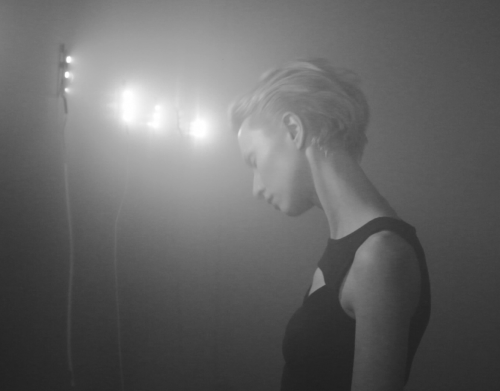
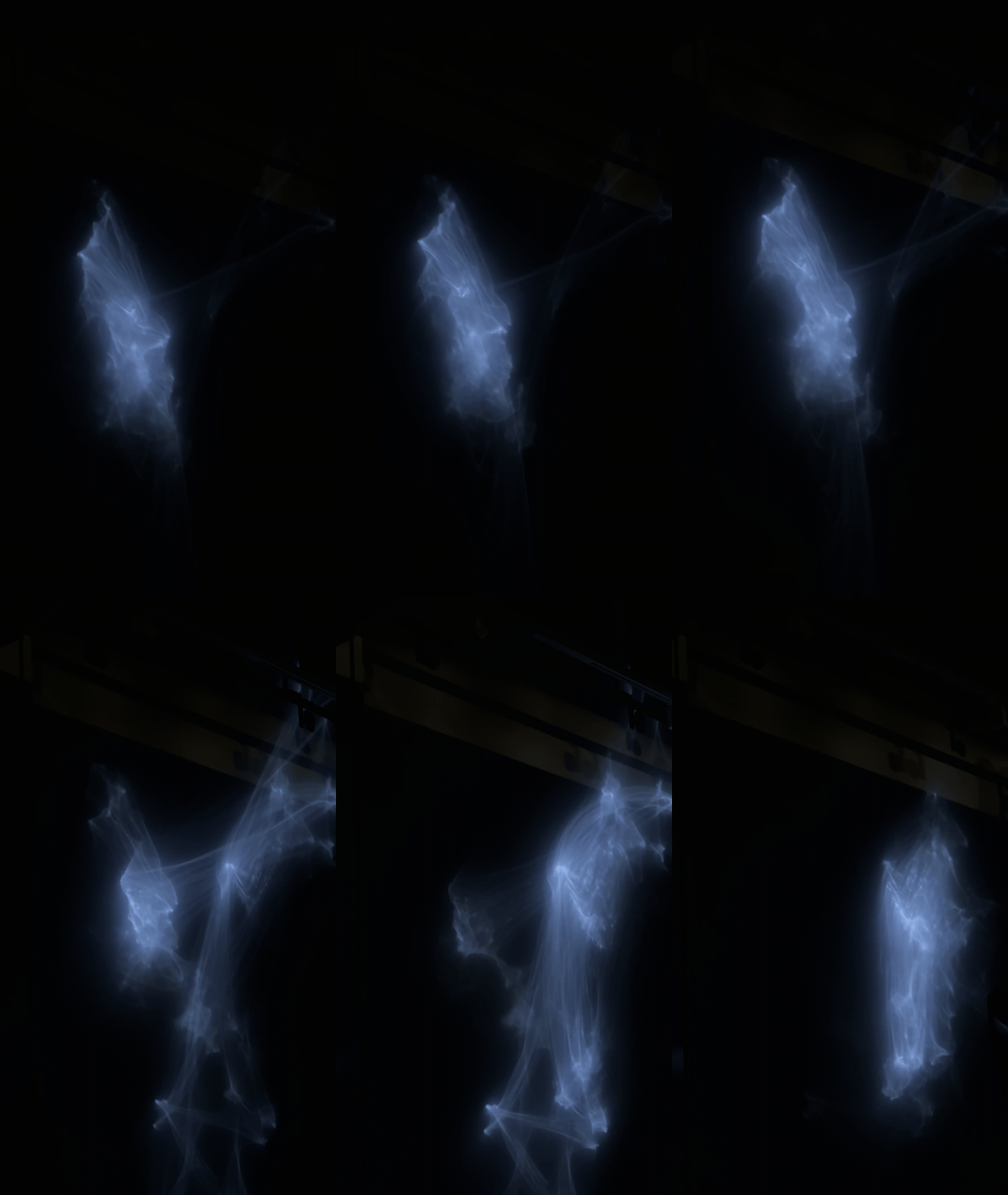
The artists used a combination of field recordings, organic acoustic instruments, and modern synthesizers. The sound evolved fluidly, creating an ever-changing sonic landscape. Space, music, and light came together, drawing the audience into a dreamlike anticipation of the sunrise.
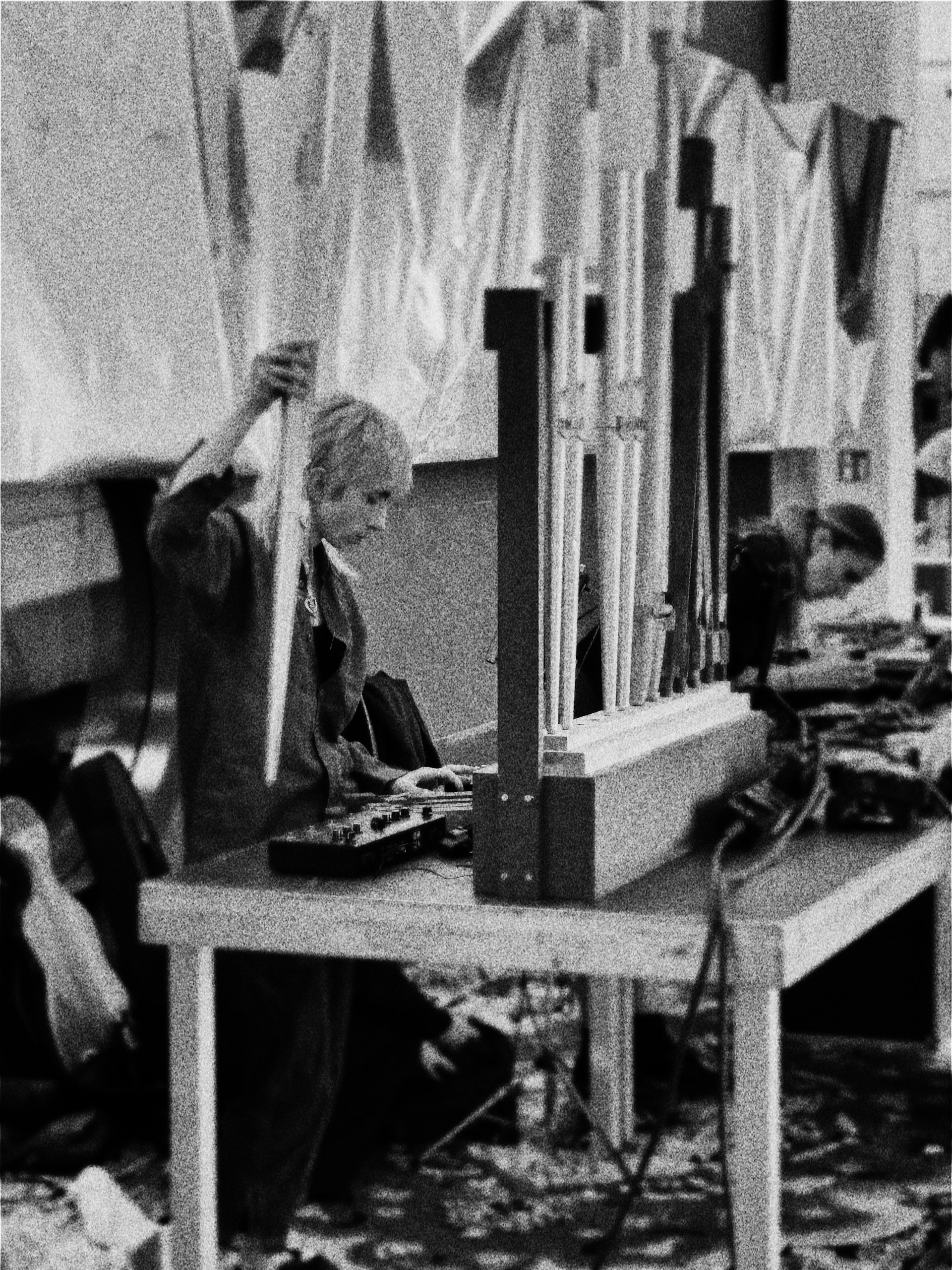
This year’s edition of CISZA NA MORZU took on an even more acoustic dimension thanks to exceptional live performances. ANTONINA CAR performed on the violin, while MIŁOSZ KĘDRA presented his original pipe organ constructed from elements of historic church organs. The presence of these instruments reflected the idea of reworking memory and the past — a concept closely aligned with the museum’s mission.
Artists who performed during
CISZA NA MORZU:
_ANTONINA CAR live
_DTEKK DJ set
_ETA HOX live
_MATTIA ONORI DJ set
_MIŁOSZ KĘDRA live
_PRUSKI live
_ETA HOX live
_MATTIA ONORI DJ set
_MIŁOSZ KĘDRA live
_PRUSKI live
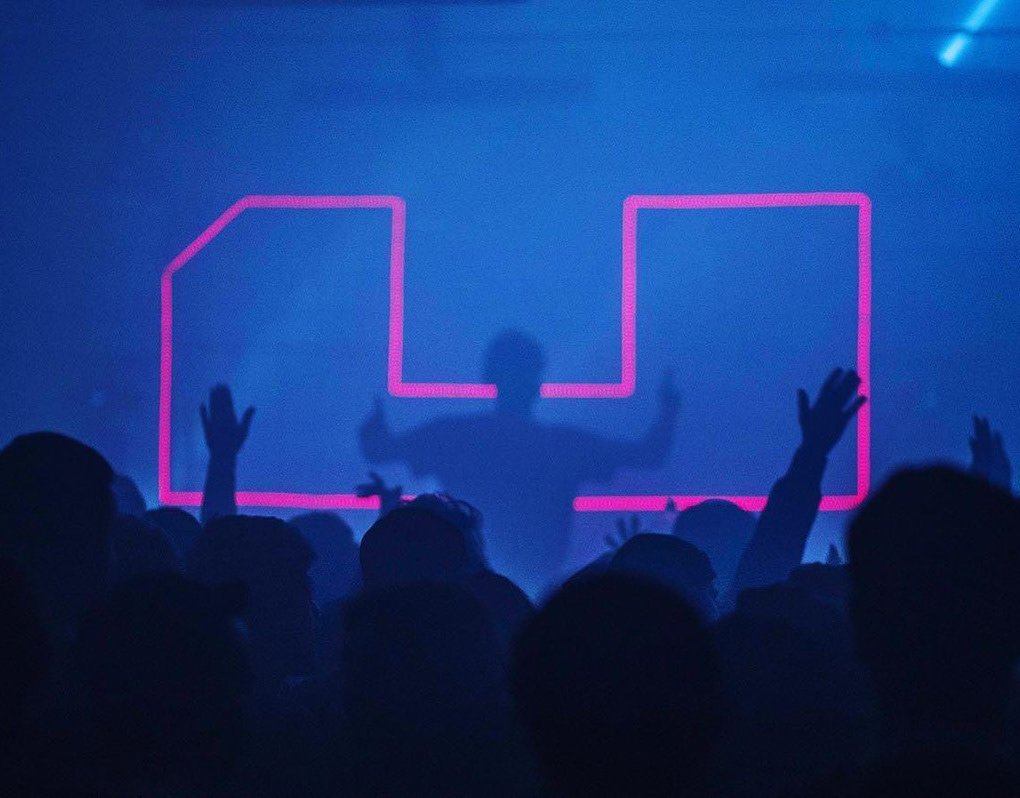
_TVING STAGE DESIGN visuals & lights
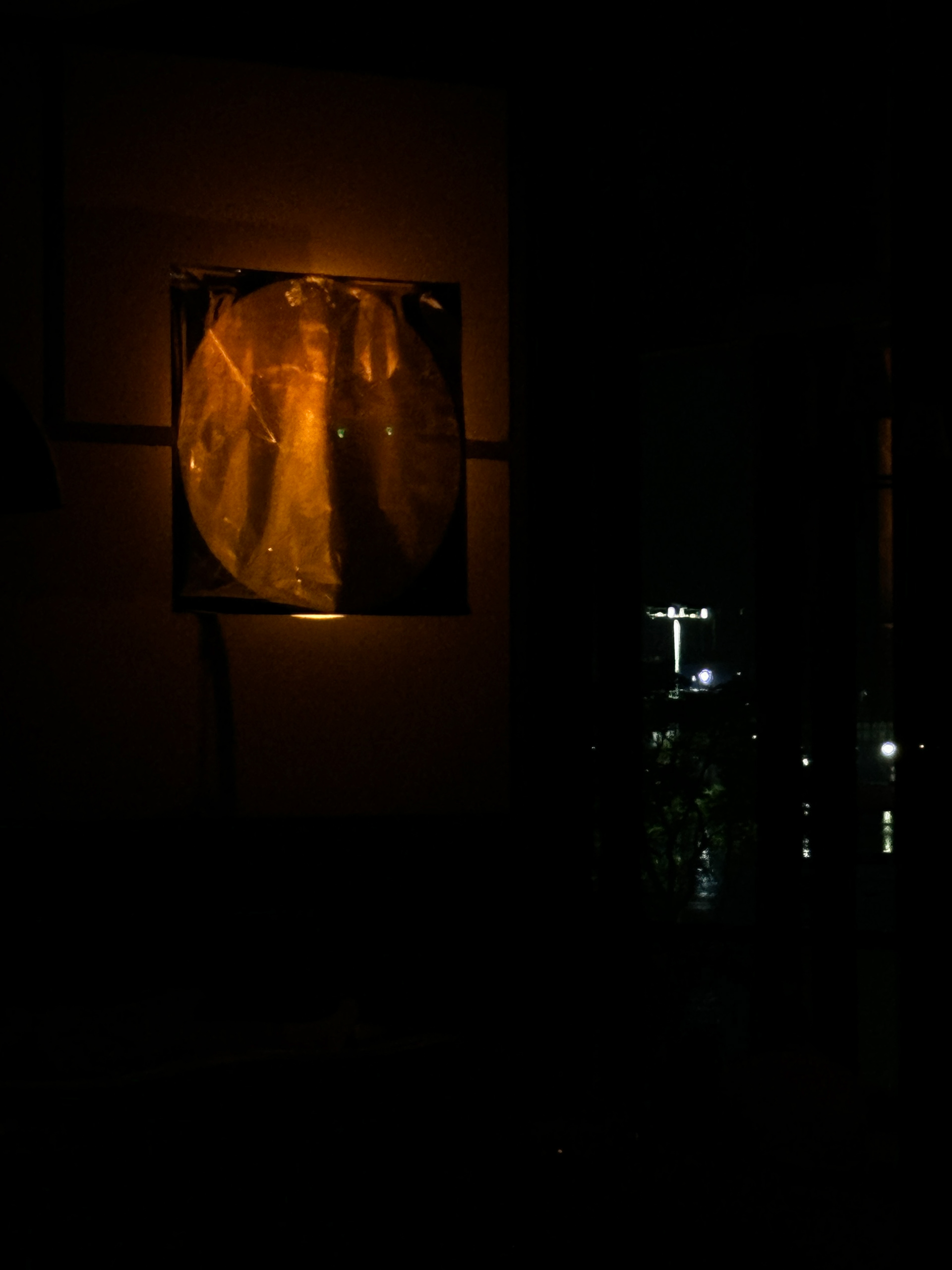
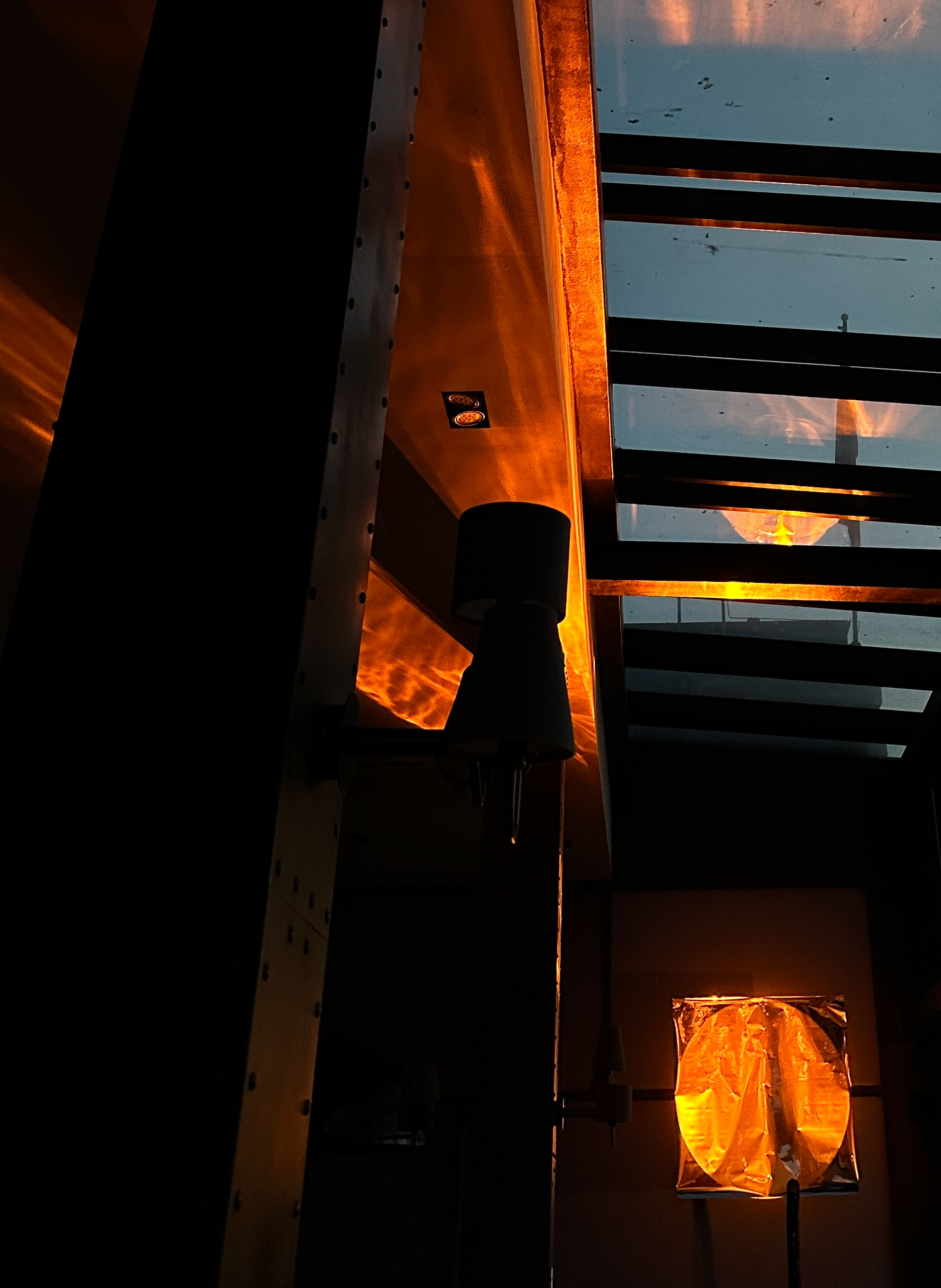
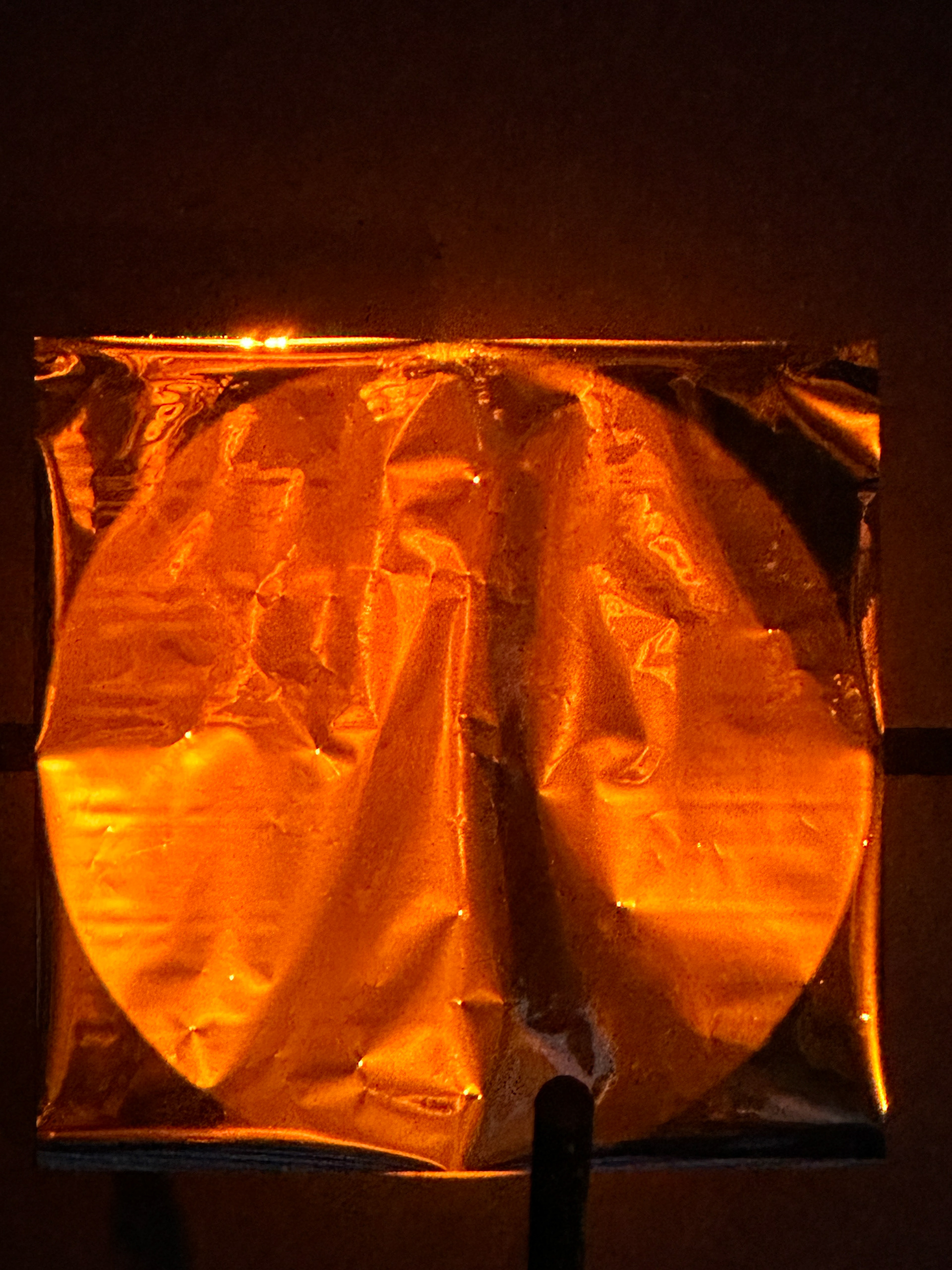
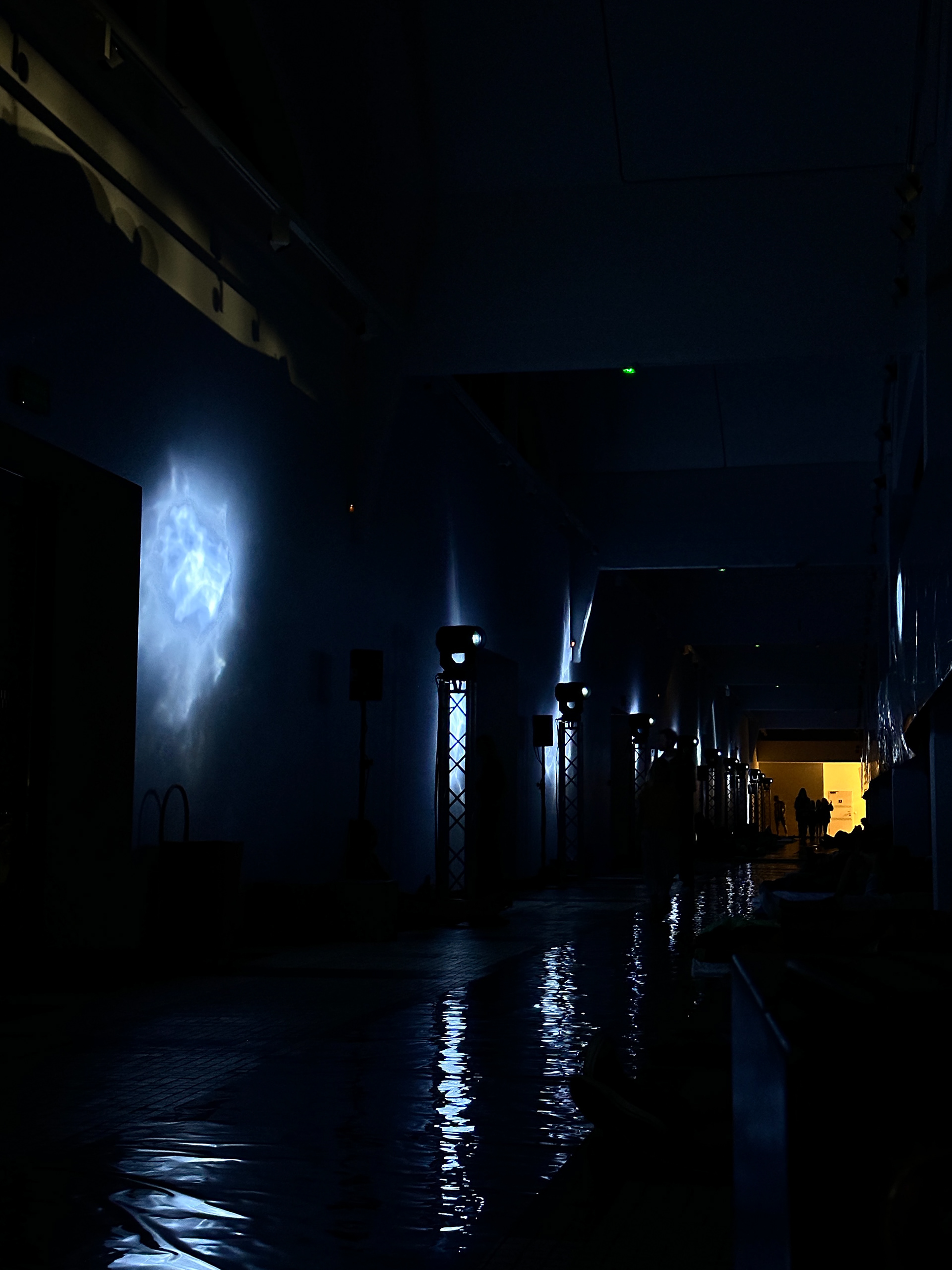
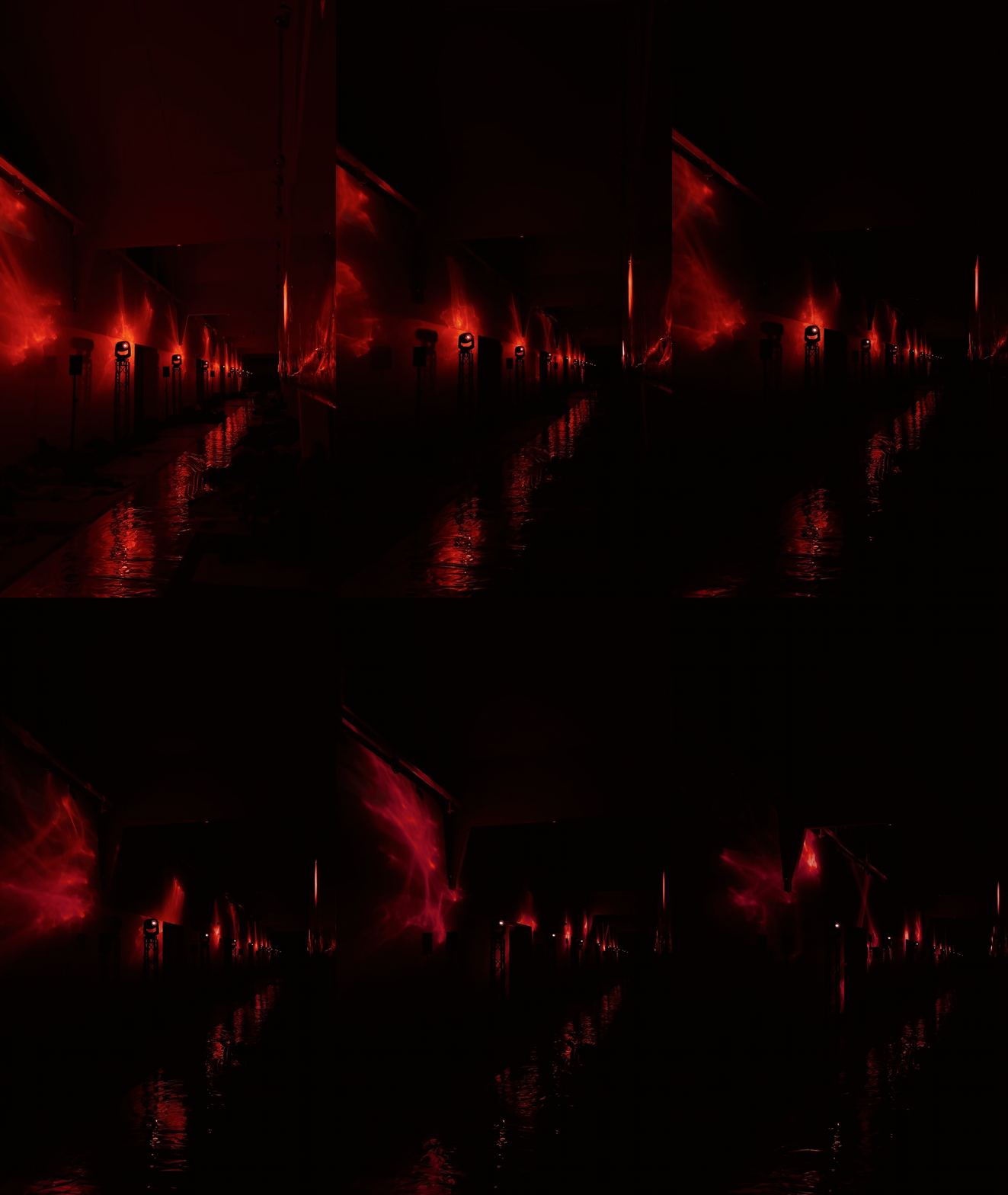
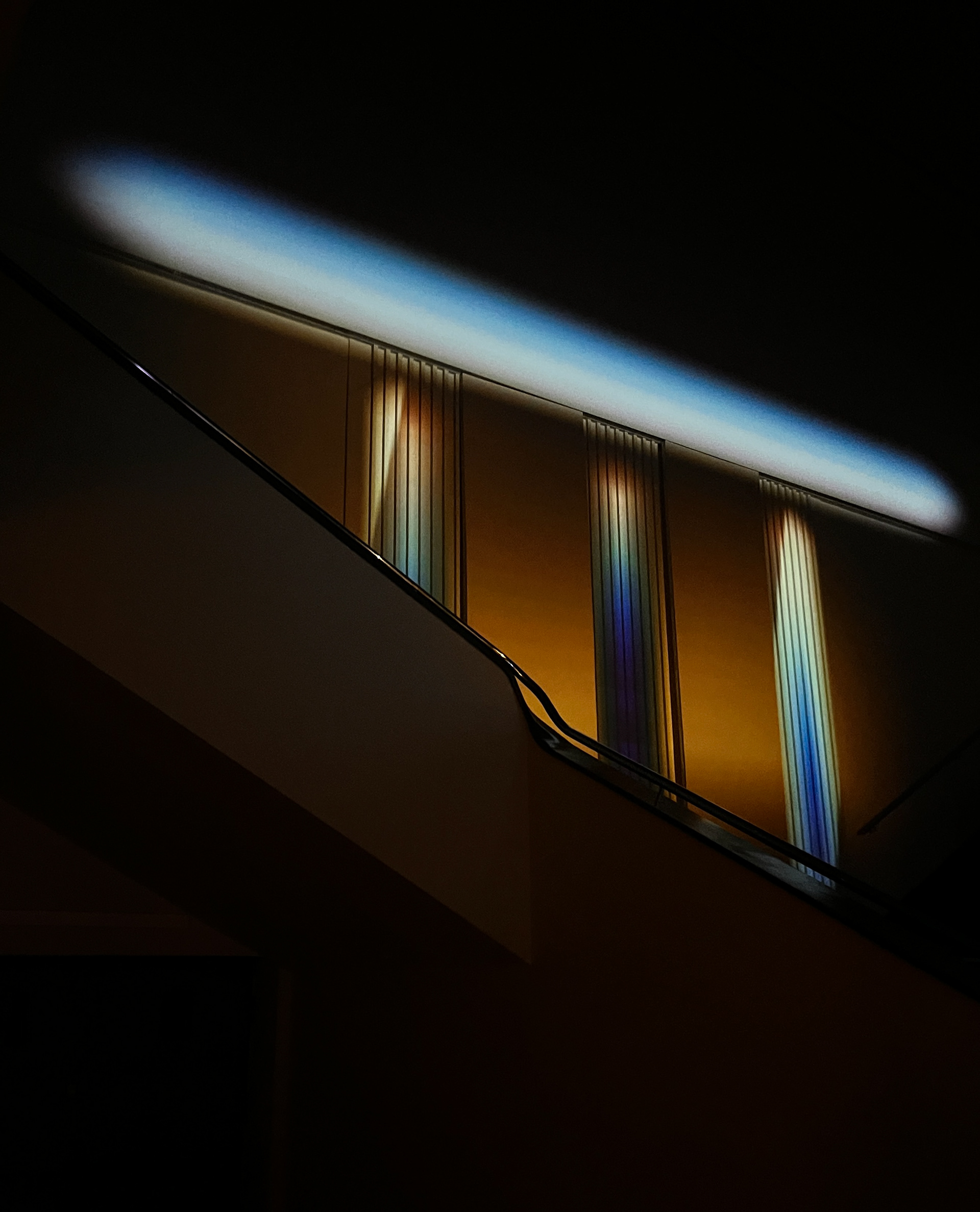
The installation designed by Tomasz Gawroński carried a strong emotional charge — a promise of land at the end of a journey, hidden within light.
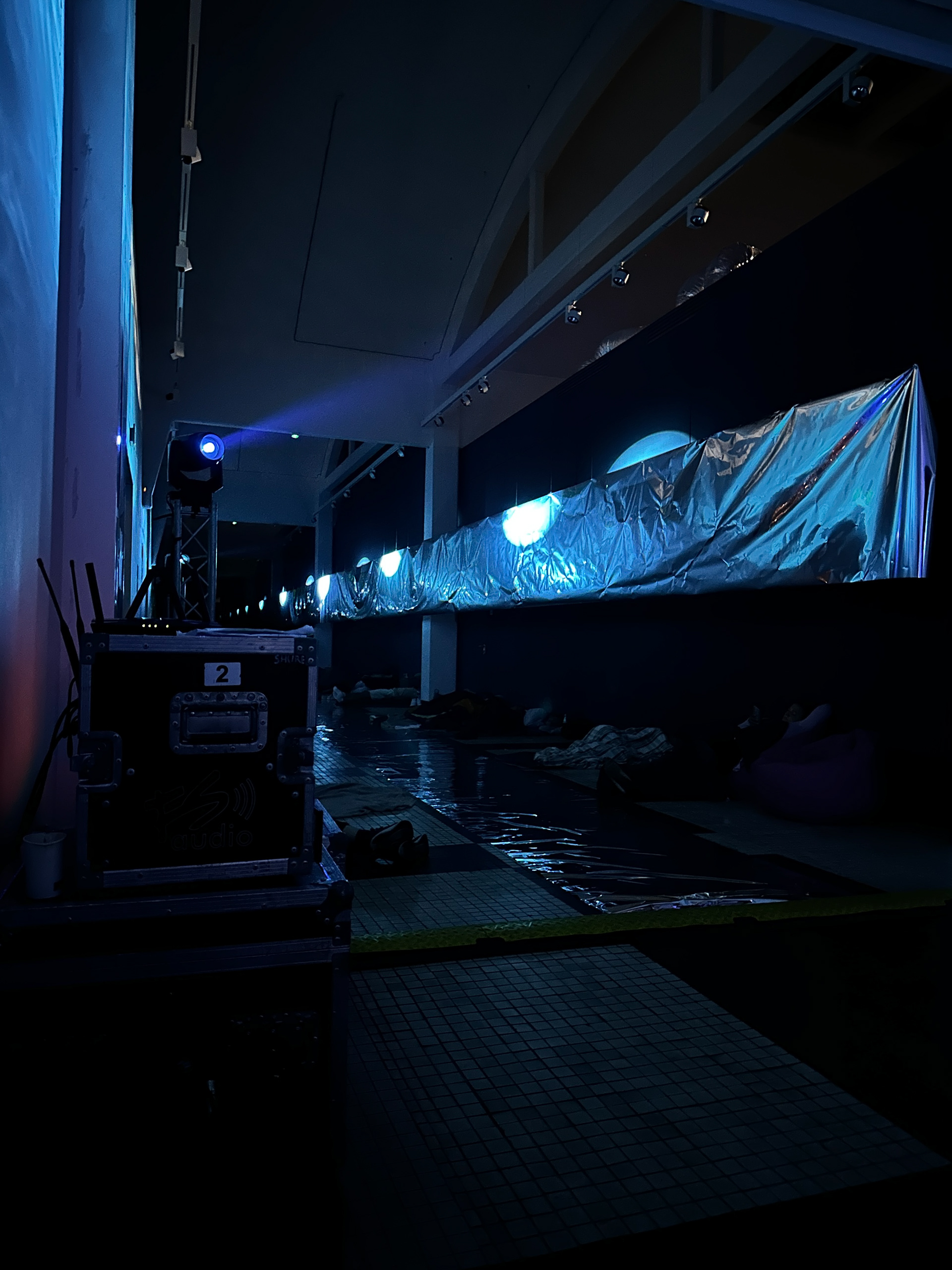
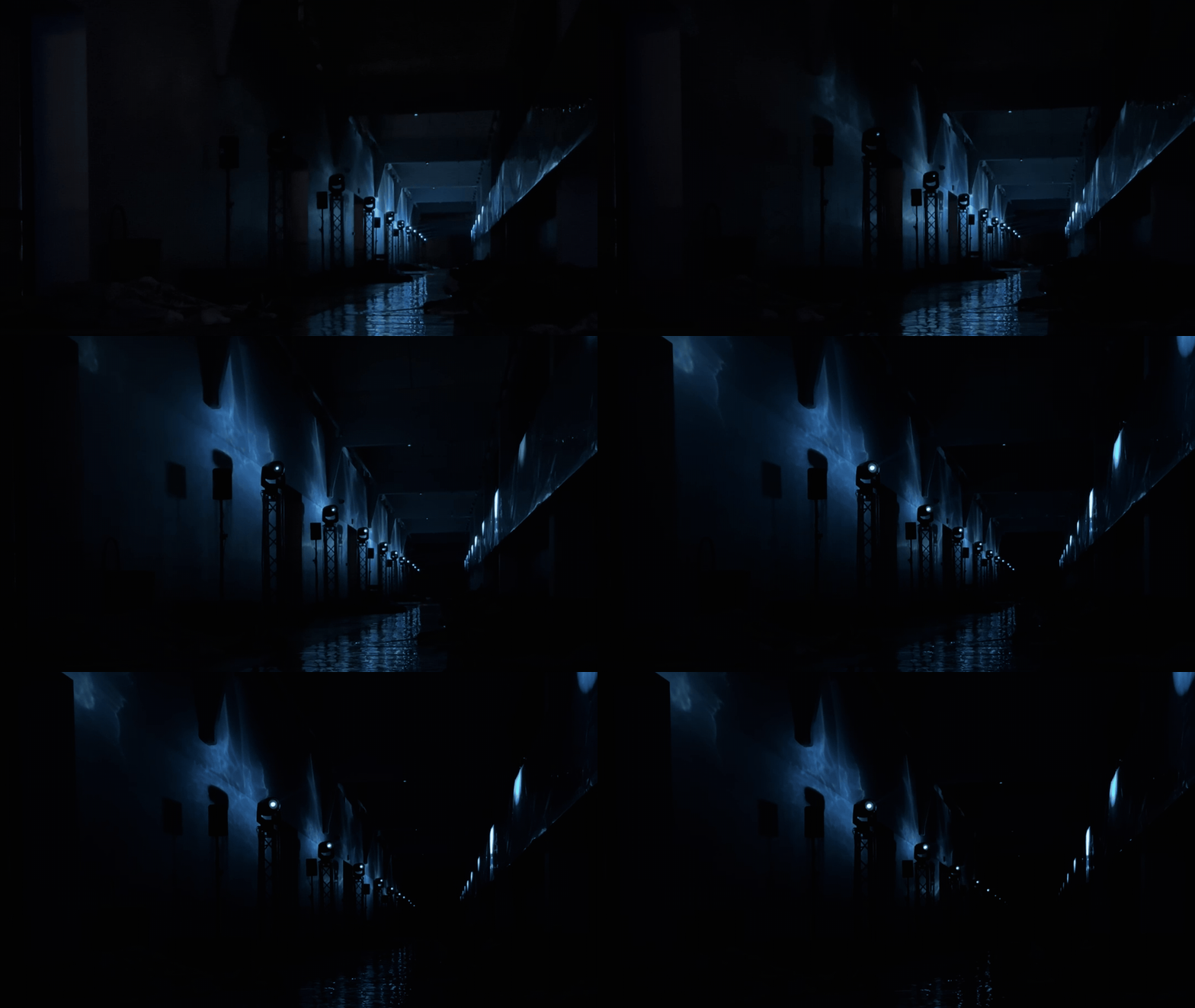
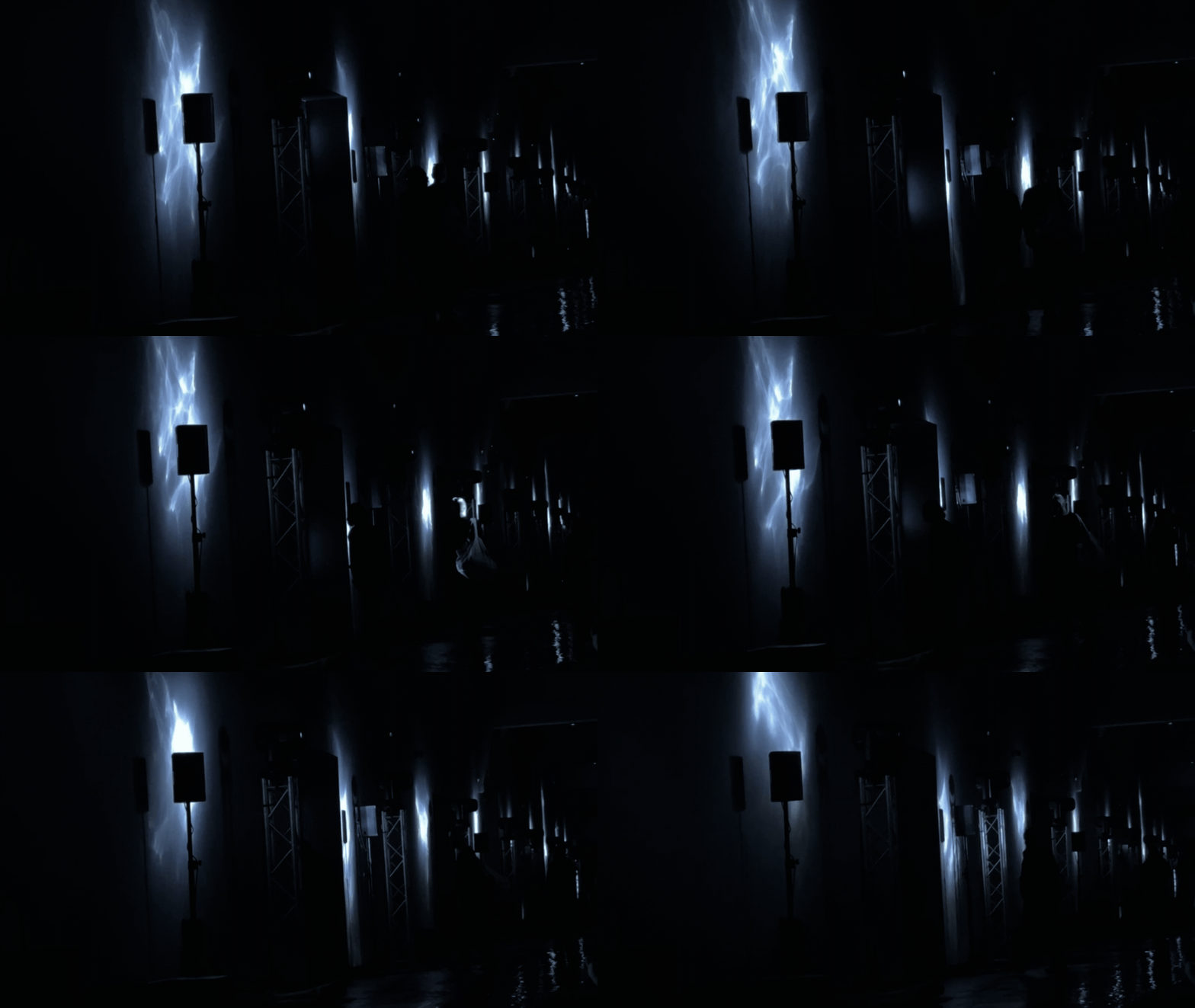
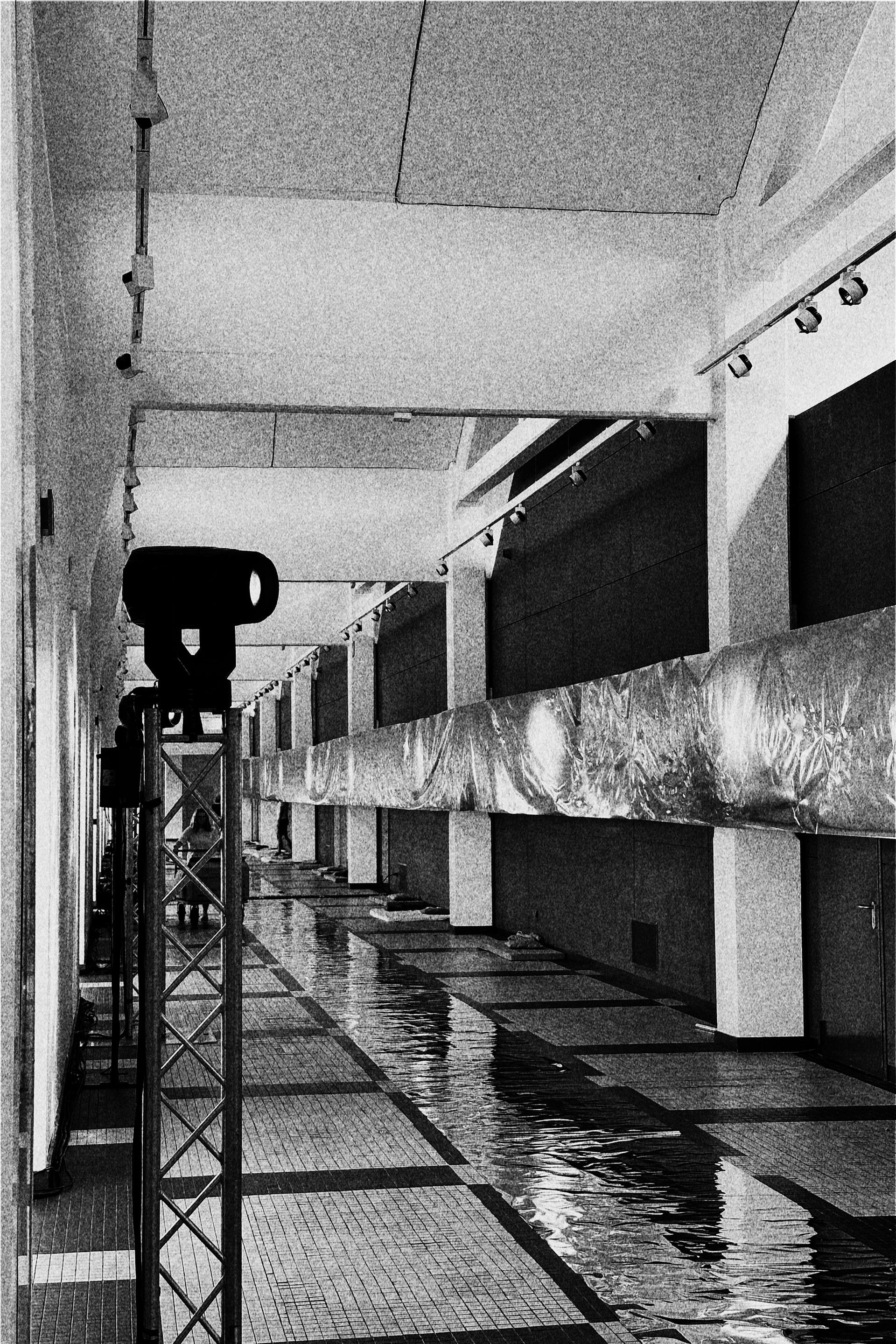
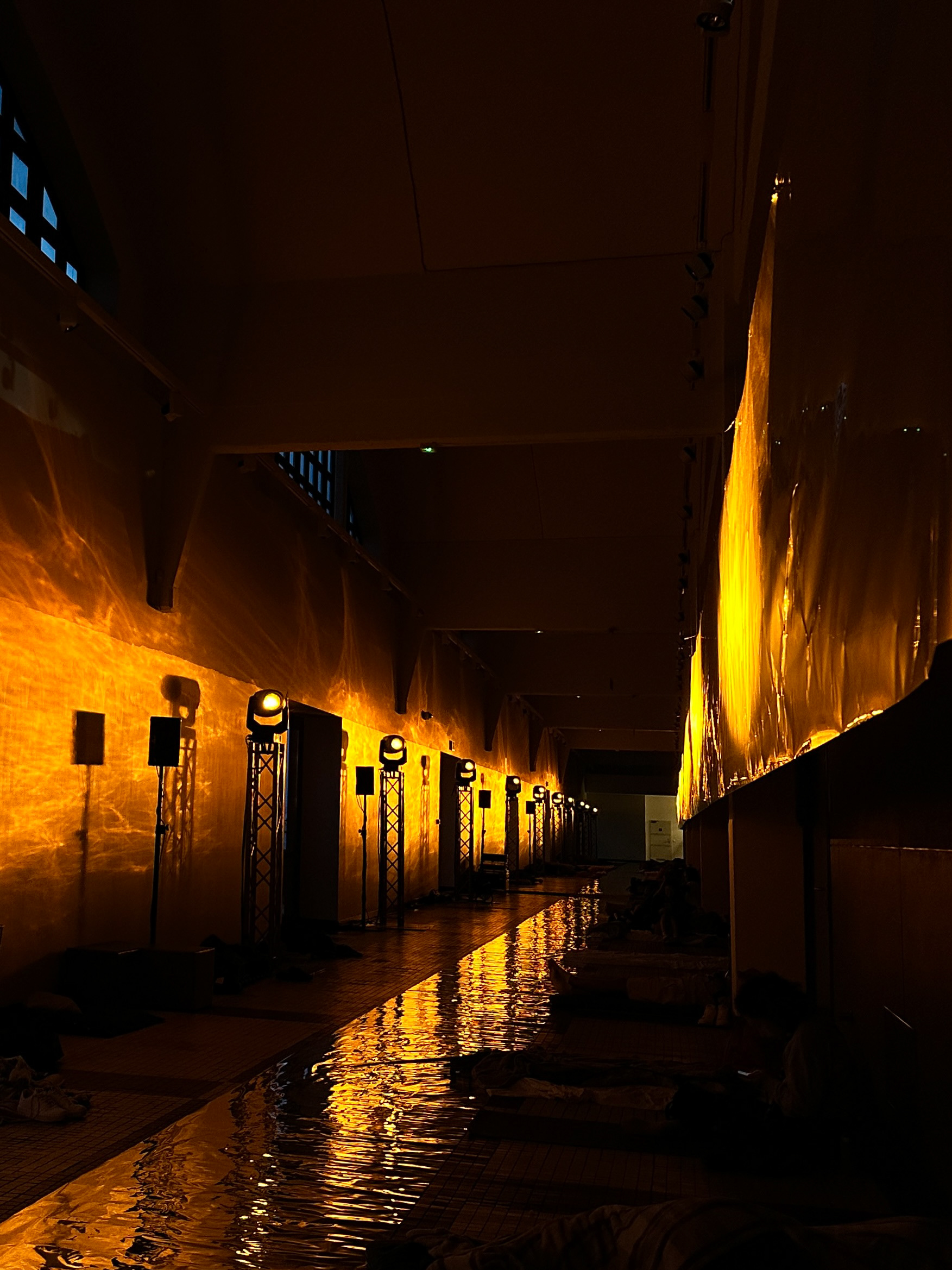
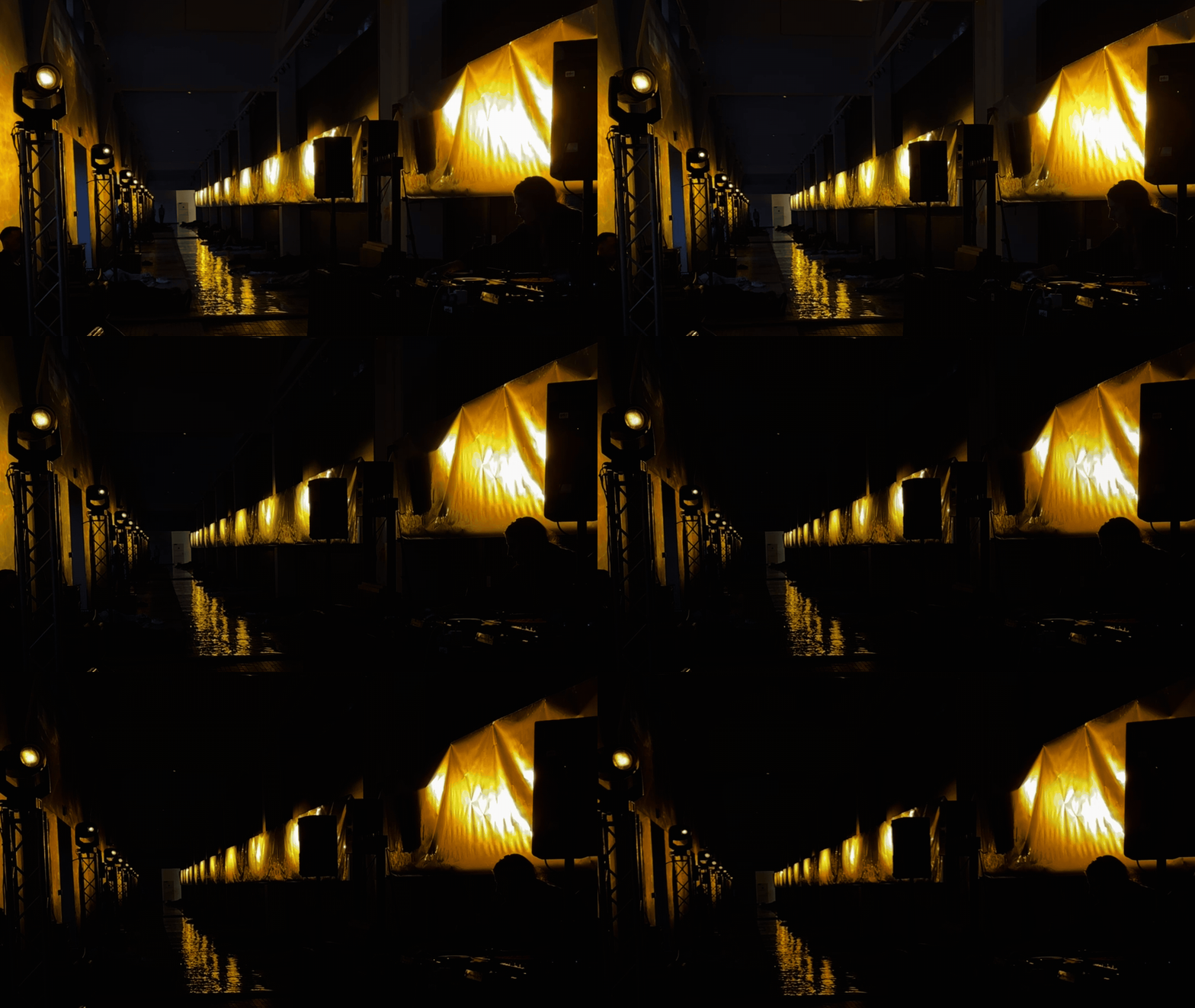
Set within the corridor of the Emigration Museum in Gdynia, where walls become a boundary between what is left behind and what remains unknown, the light installation returned as a visual record of an oceanic voyage. Using a method of light manipulation through strips of mirrored foil, the project generated unique glimmers — luminous points of orientation that guided ship passengers across generations.
The installation was not static; it functioned as a living organism, pulsing with the rhythm of the passing night. From the soft, golden hues of sunset, through the cool and uncertain depth of night, to the intense visual cacophony of a morning storm.
PHENOMENON OF
DEFORMATION AND MEMORY
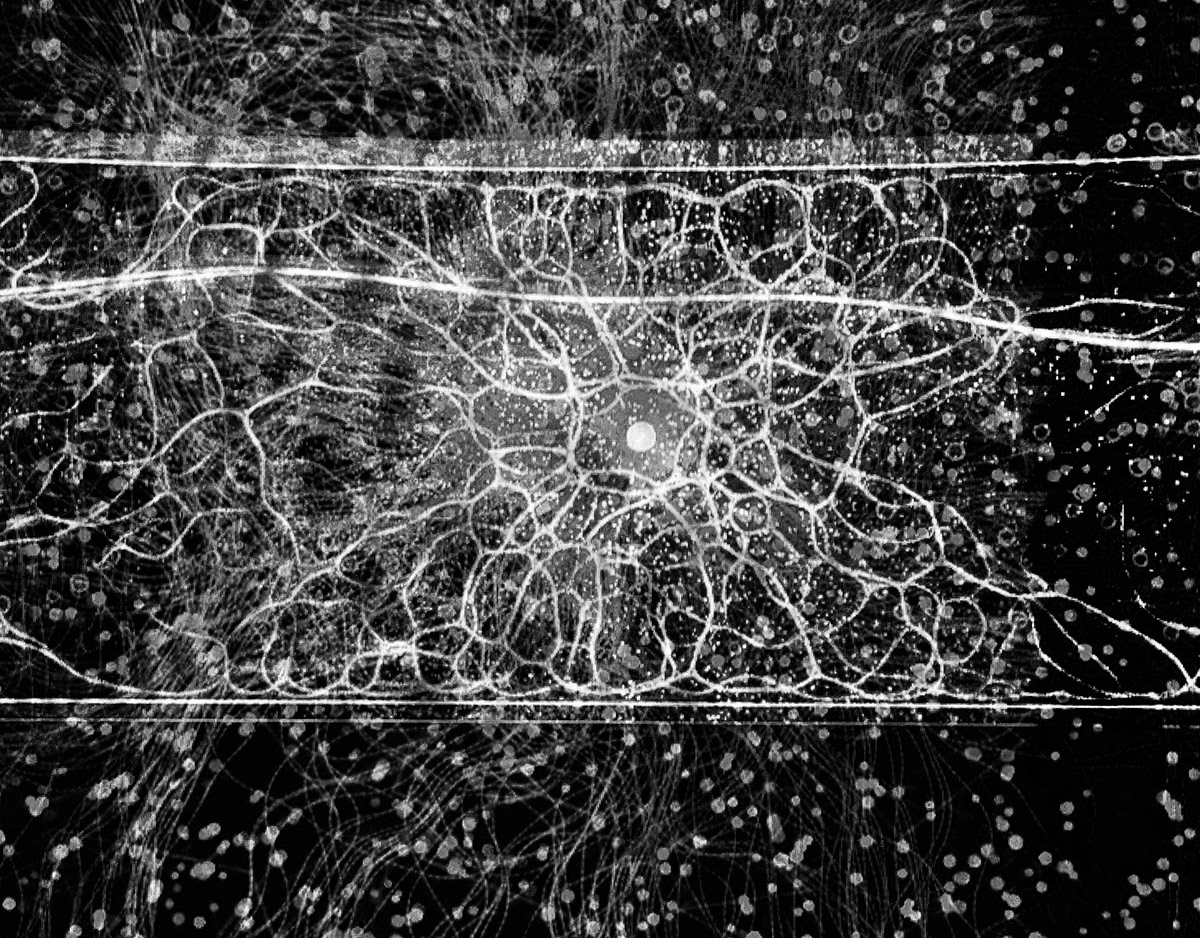
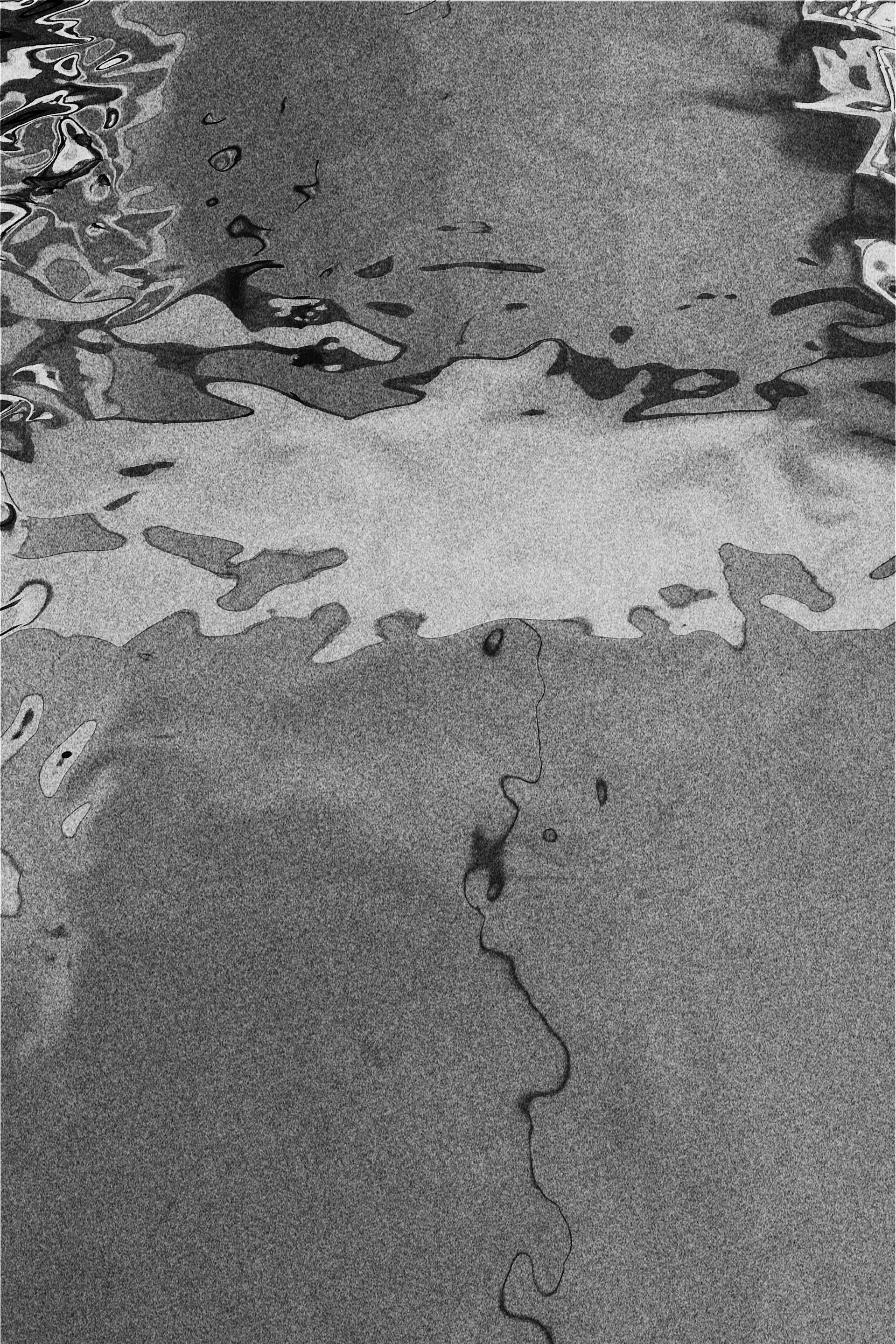
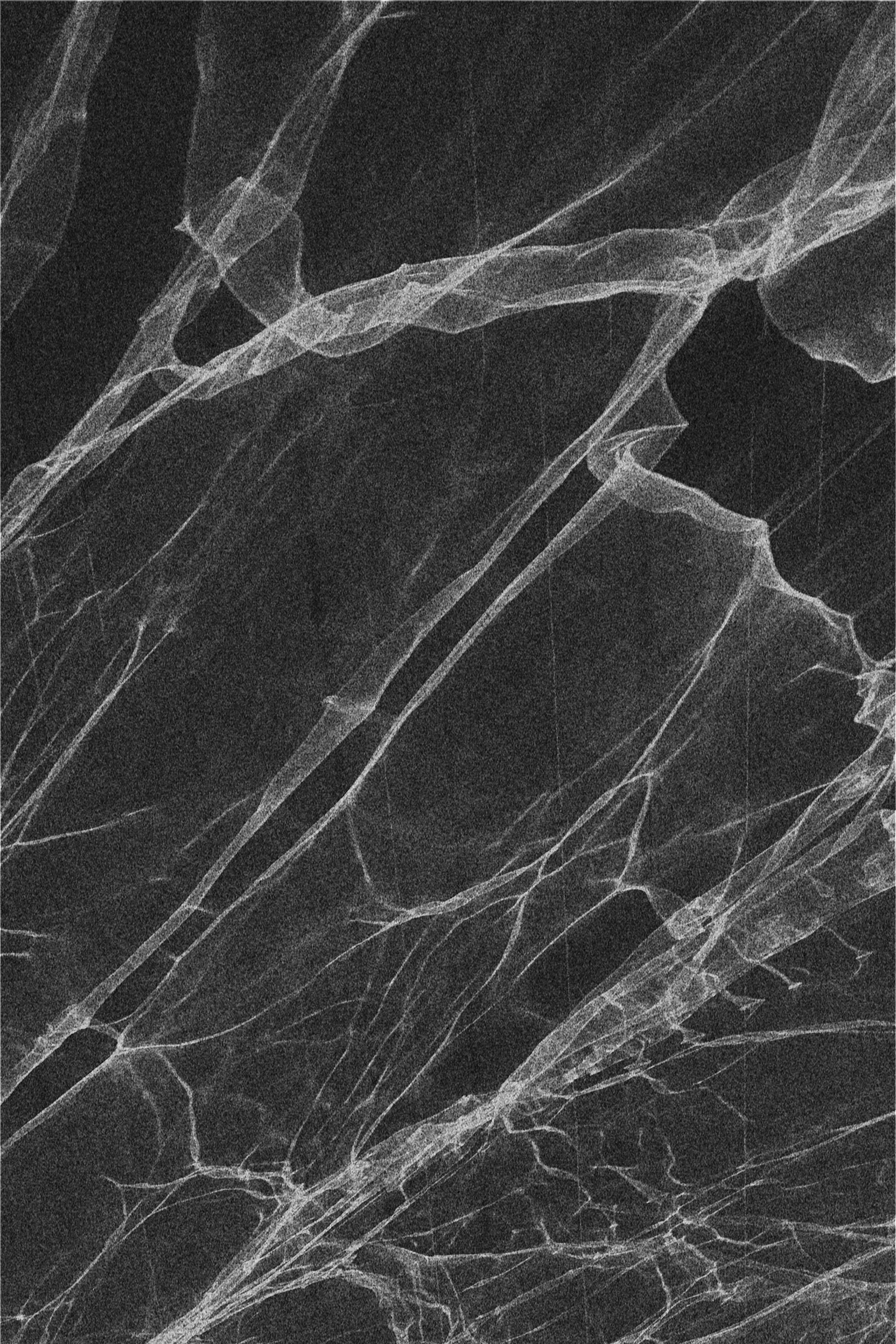
The installation drew on the unique properties of mirrored foil which, unlike rigid glass, subtly vibrated and distorted reality. The corridor ceased to exist as a fixed point, transforming instead into a fluid, luminous tunnel. This was a deliberate gesture: the image perceived by the viewer appeared fragmented into thousands of glimmers, symbolizing the fading memory of the abandoned shore and the simultaneous construction of new hope from shards of light on the horizon.
ARCHITECTURE OF THE LIGHT TUNNEL
The strips of foil were not merely decorative — they formed a new internal architecture within the museum. Guiding the viewer through the corridor as ocean currents once guided transatlantic ships, each step altered the angle of reflection, allowing the installation to respond to human presence. It became an intimate dialogue between the observer and an elusive radiance that, at the very end of the journey — after passing through night and storm — transformed into a pure, blinding sun.
The strips of foil were not merely decorative — they formed a new internal architecture within the museum. Guiding the viewer through the corridor as ocean currents once guided transatlantic ships, each step altered the angle of reflection, allowing the installation to respond to human presence. It became an intimate dialogue between the observer and an elusive radiance that, at the very end of the journey — after passing through night and storm — transformed into a pure, blinding sun.



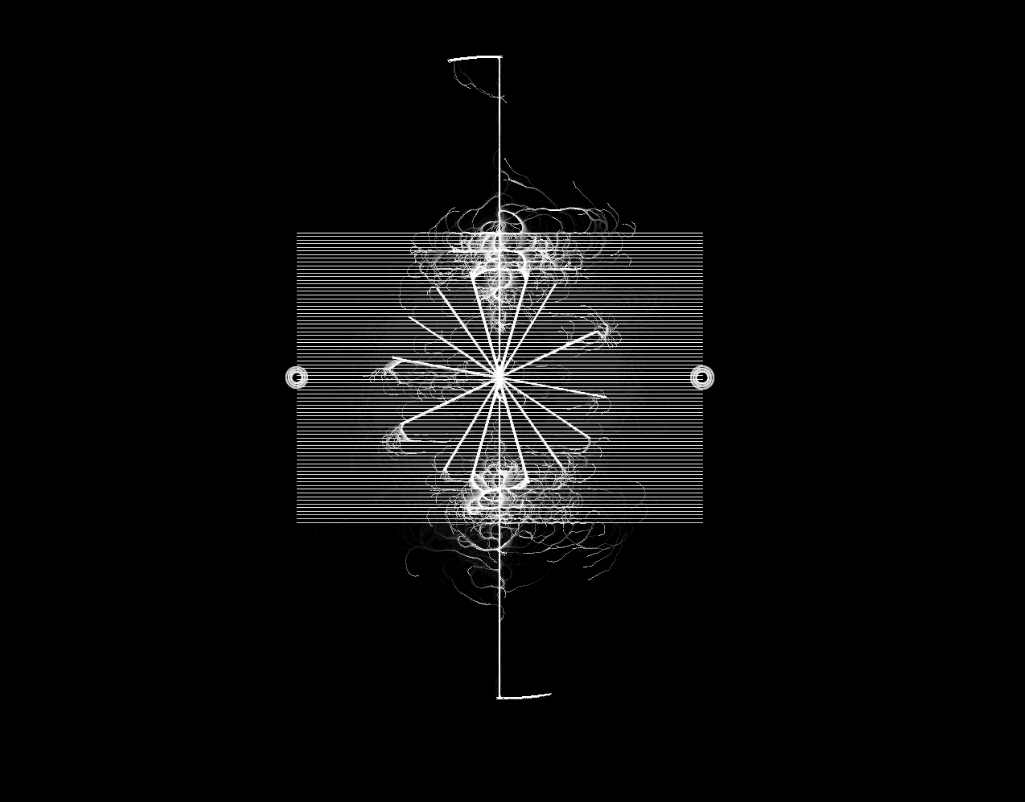
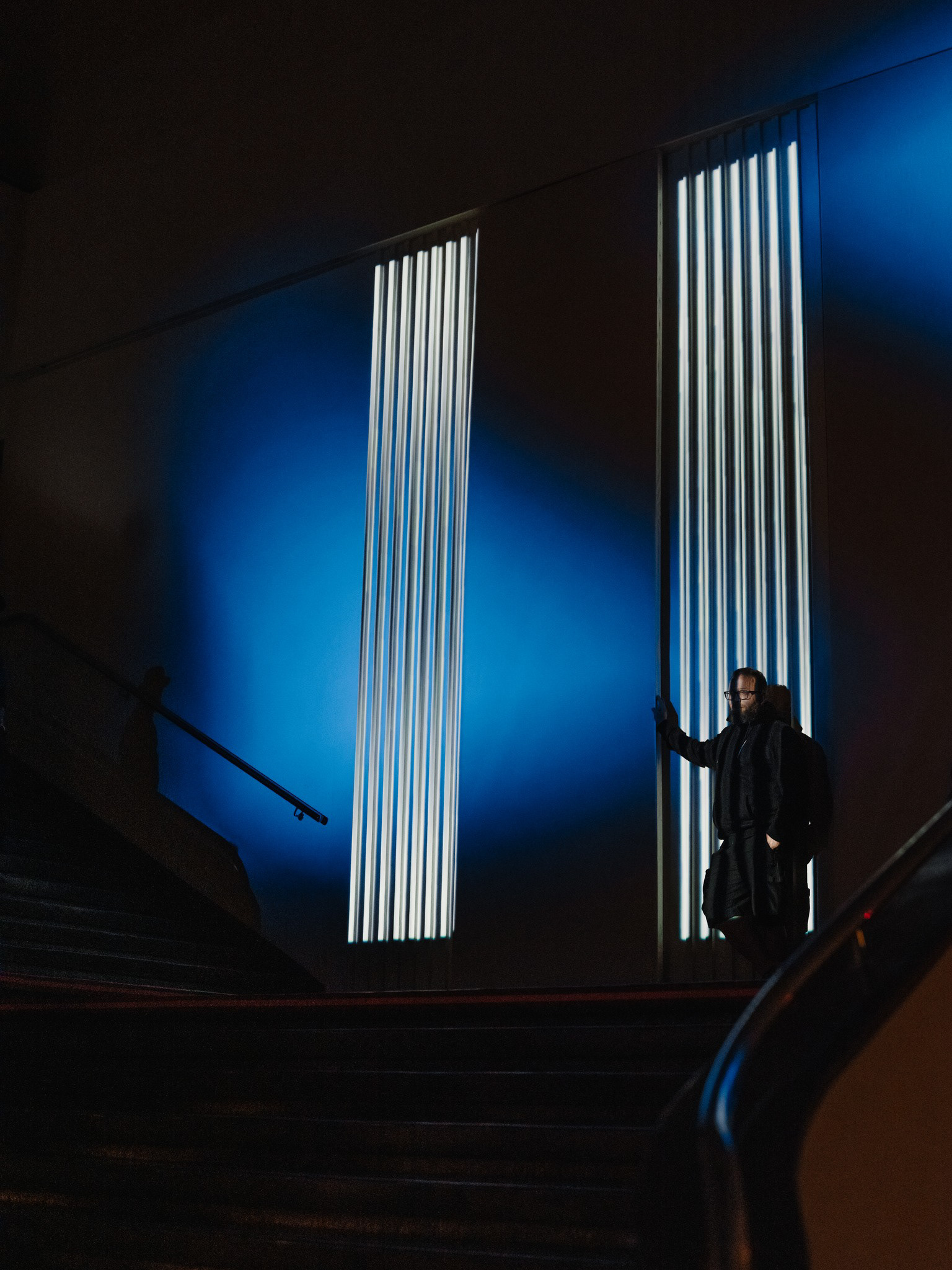
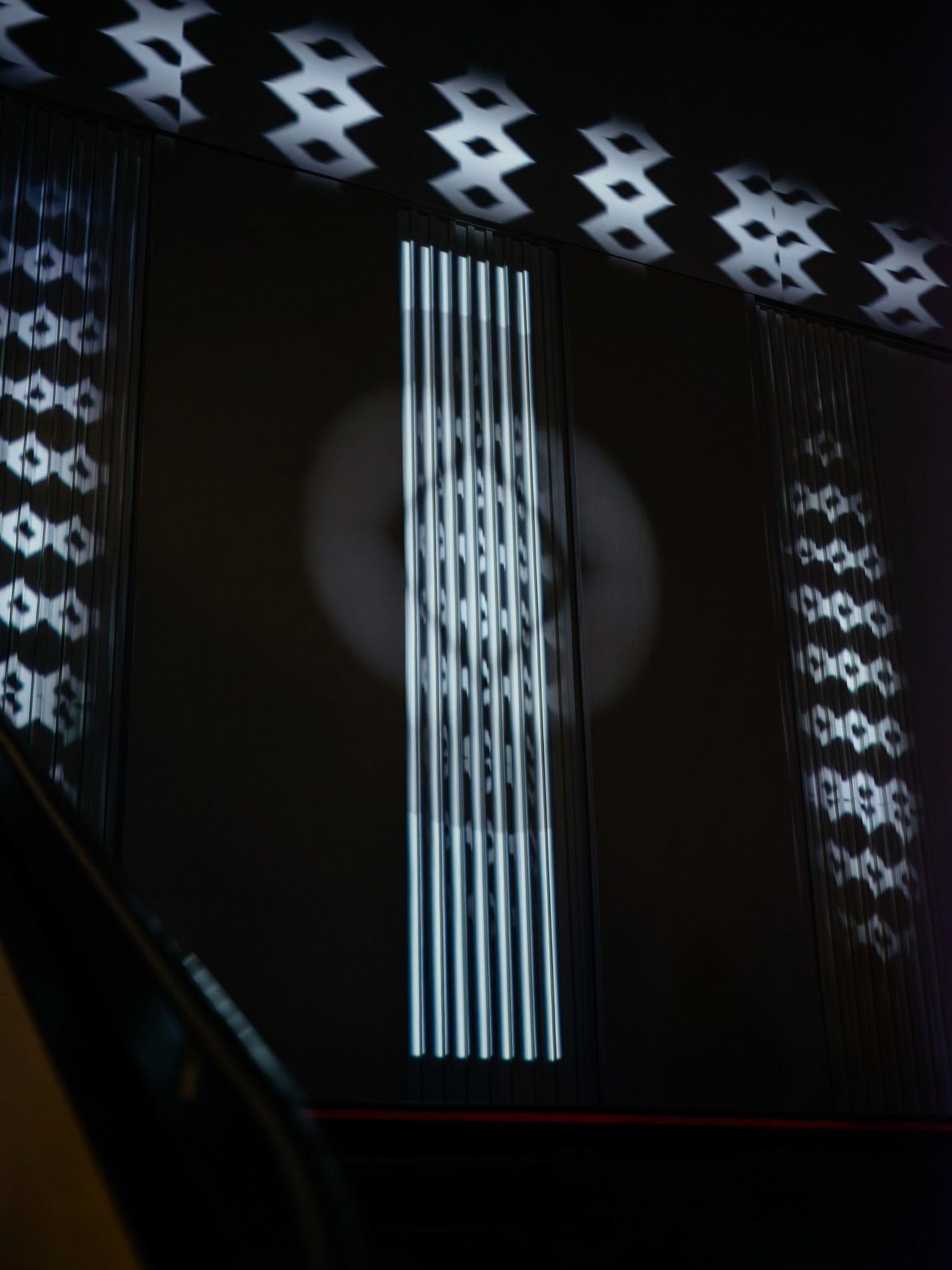
MAIN HALL MAPPING


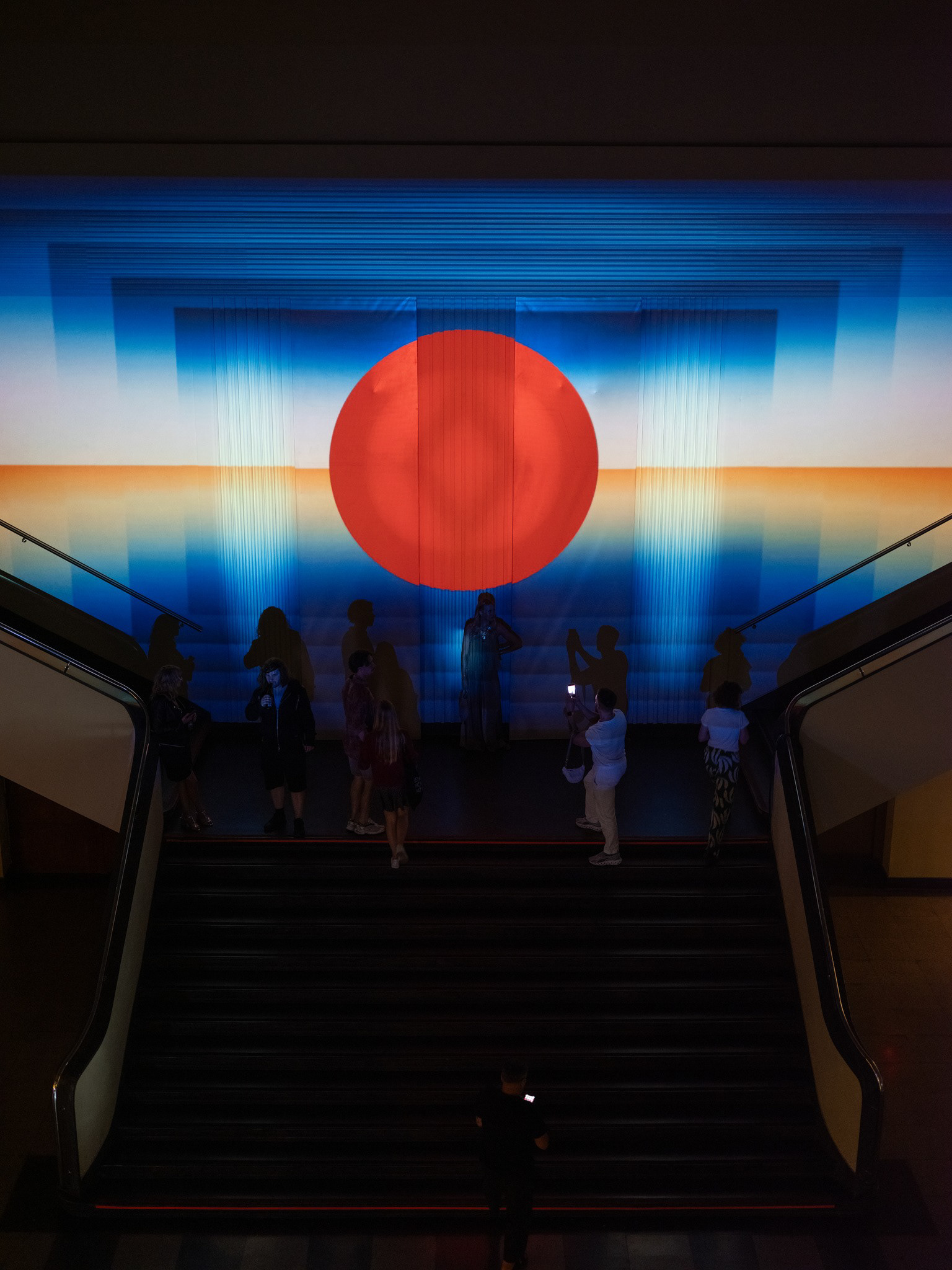

Noc Muzeów | 09.08.2025 | Muzeum Emigracji w Gdyni | fot. P. Wielewicka
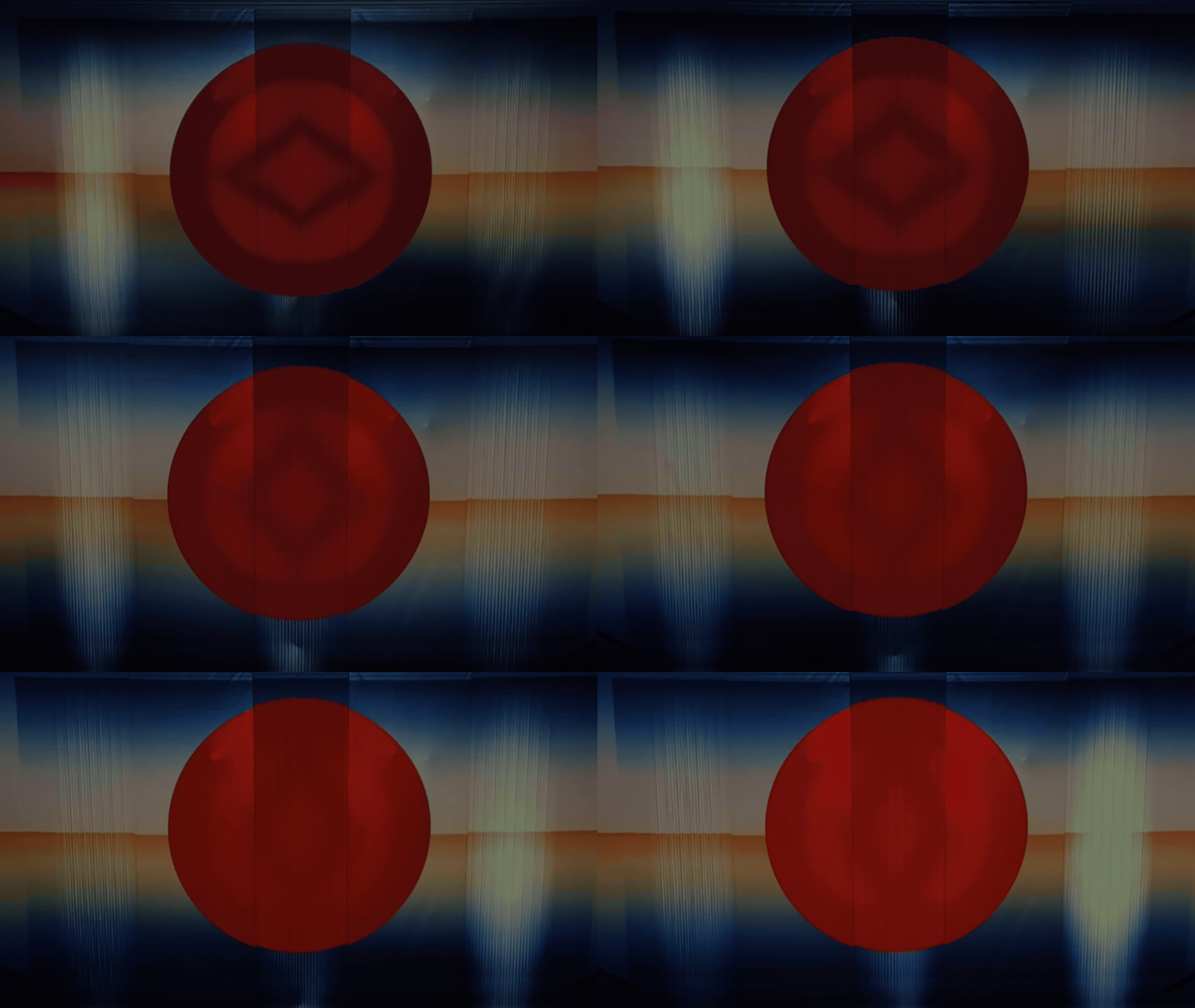
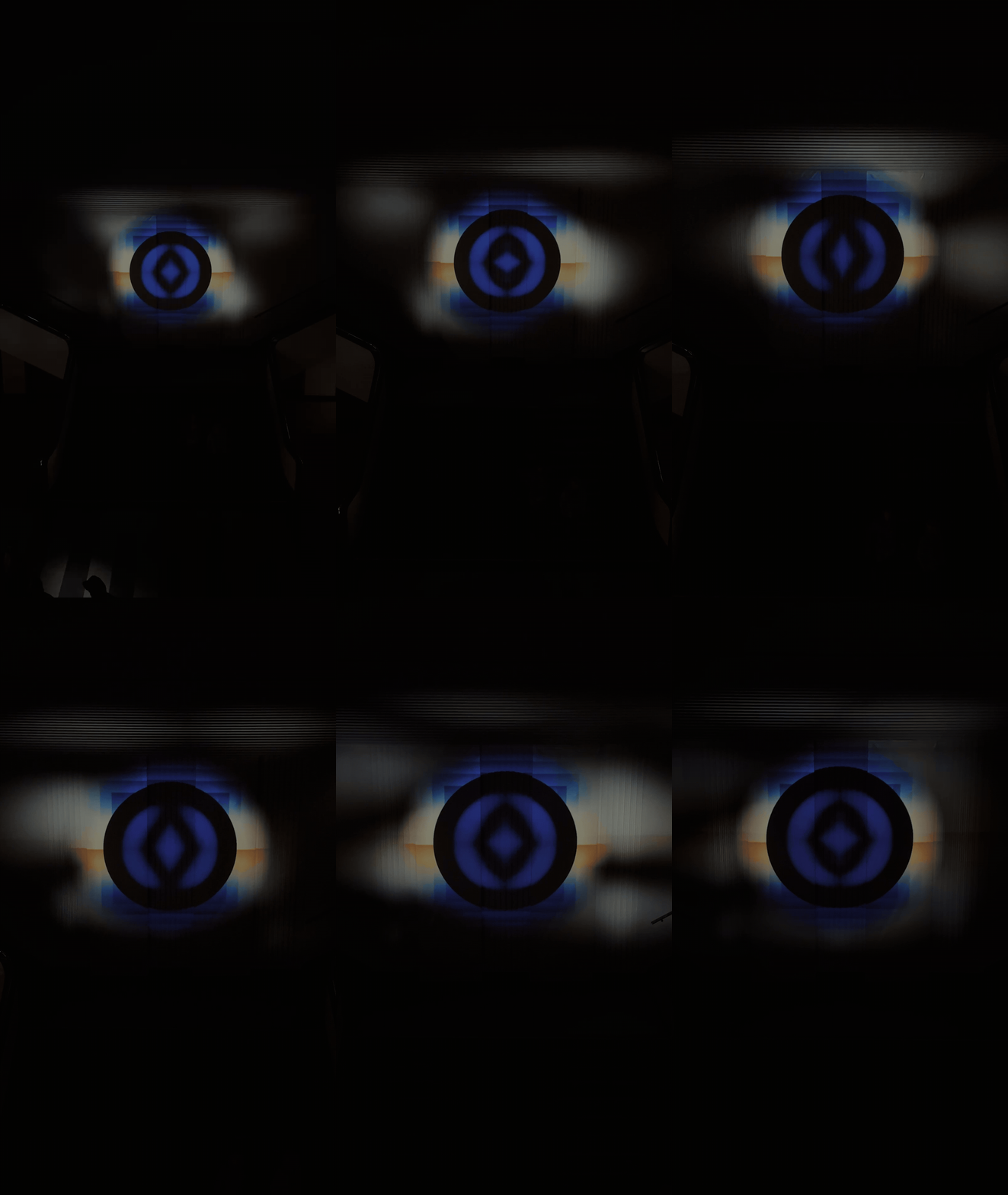
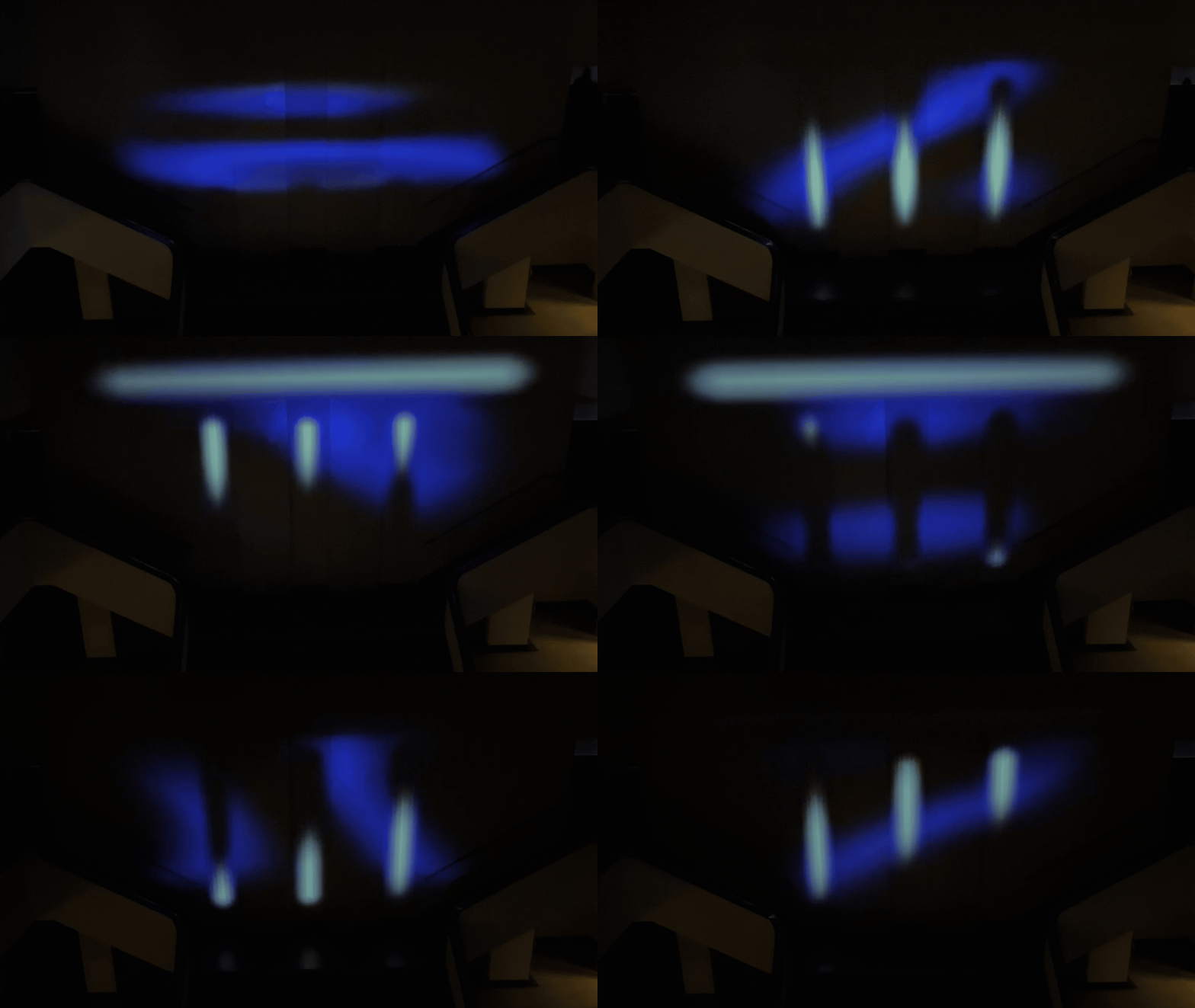
behind the scenes
behind the scenes